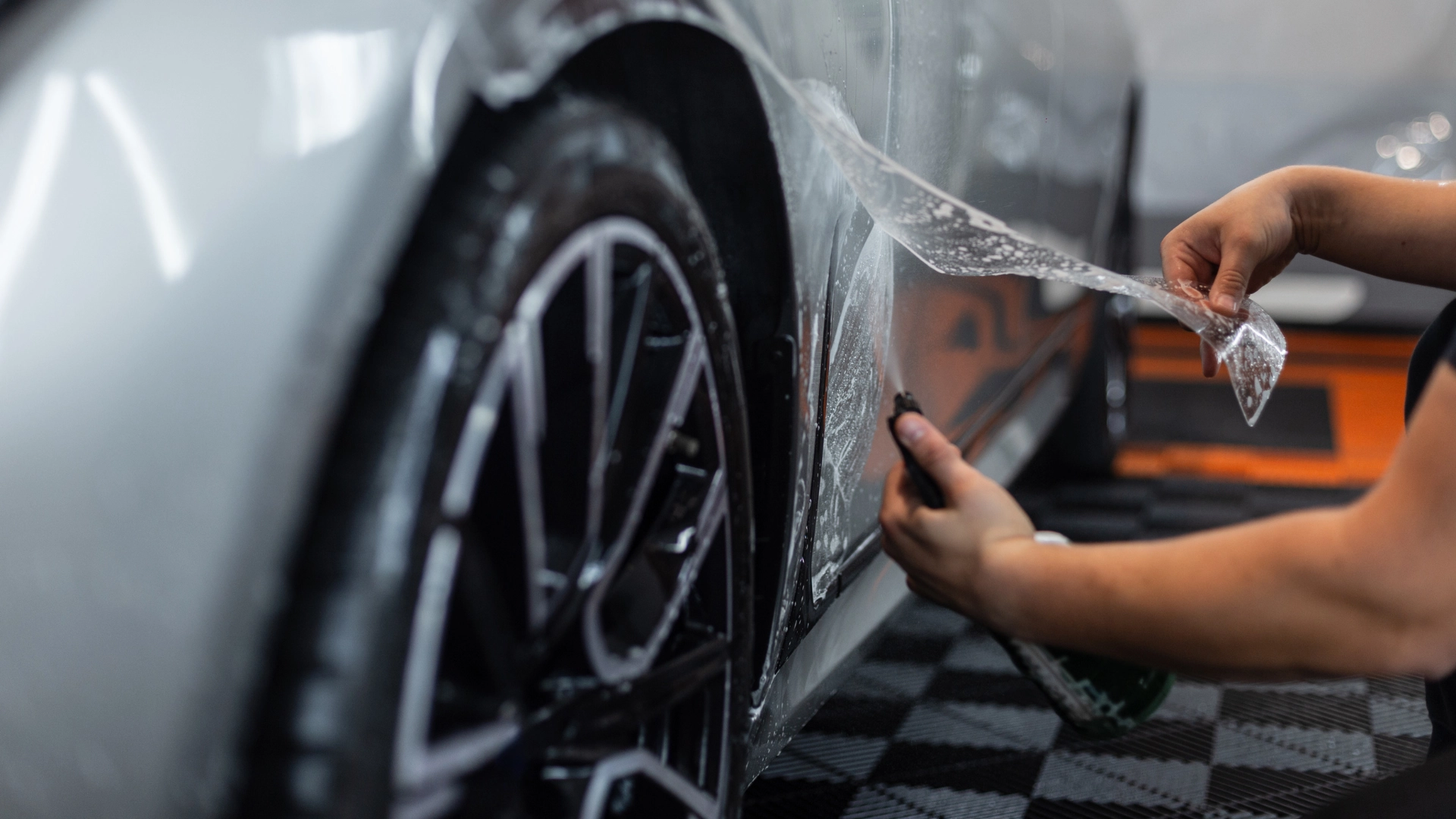
Why Toronto Businesses Are Wrapping Trailers
The core benefits for trailer wraps Toronto operators keep returning to often include costs and advertising potential. Unlike paid digital or print placement, mobile billboard advertising has no recurring media spend. The cost is a one-time capital expense amortised over the wrap’s service life. Trailers spend most of their working life parked at job sites, staged at loading docks, or moving along the 401, 400, and QEW. That exposure is already paid for. The vehicle is insured, fuelled, and routed regardless of whether its sides carry a logo.
The trade-off is control. A billboard on the Gardiner reaches a defined audience at a defined frequency. A trailer reaches whoever happens to be nearby along its route. For contractors, distributors, and service businesses working a consistent territory, that overlap is often close enough to be useful. For businesses seeking a specific demographic, it is not a substitute for targeted media.
Businesses operating across Toronto, North York, Scarborough, Etobicoke, Vaughan, Mississauga, Brampton, and the wider GTA often use trailer wraps to increase brand visibility while travelling between customer locations, construction sites, warehouses, and distribution centres.
Key Takeaways
- Trailer wrap costs in Toronto typically range depending on coverage, vinyl grade, and surface condition. from $500 for a small enclosed trailer to $12,000+ for a full 53 ft unit,
- A wrapped trailer functions as mobile billboard advertising, generating impressions during routes a business is already driving; the media cost is largely absorbed by existing operations.
- Cast vinyl lasts roughly 5–7 years on vertical surfaces; calendared vinyl is cheaper but shorter-lived and less suited to rivets and corrugation.
- Enclosed trailers, 53 ft dry vans, and truck-and-trailer combinations each require different design and installation approaches.
- Partial wraps and cut-vinyl lettering cost significantly less than full coverage and remain legible at highway distances.
What are the Costs of Trailer Wraps in Toronto?
Trailer wrap costs in Toronto typically range from $500 for small utility trailers to over $12,000 for fully wrapped 53 ft trailers, depending on the trailer size, coverage (lettering, partial, or full wrap), vinyl type, and the condition of the surface. Smaller enclosed trailers are generally the most affordable, while large commercial trailers require more materials and installation time.
Trailer Size and Type
A 6×12 enclosed trailer presents roughly 300 square feet of wrappable surface. A 53 ft dry van presents closer to 1,000 square feet across both sides. The relationship between size and price is close to linear on material but not on labour; larger units require scaffolding or lifts and multi-installer teams.
Surface Condition and Construction
Corrugated or riveted aluminum requires post-heating and specialized application to prevent lifting. Smooth FRP (fibreglass reinforced plastic) panels wrap cleanly and cost less to cover. Oxidised, dented, or previously wrapped surfaces need preparation that adds hours.
Vinyl Specification
Cast vinyl (3M IJ180, Avery MPI 1105) conforms to complex surfaces and carries longer manufacturer warranties. Calendared vinyl costs less but shrinks over time and is generally inappropriate for corrugated sides.
Common Trailer Wrap Applications
Enclosed Trailers
The most frequently wrapped category. Landscapers, general contractors, mobile detailers, and event businesses use enclosed trailers that park on residential streets for hours at a time. Design should prioritise a legible phone number and service description over dense imagery. See enclosed trailer wraps.
53 ft Trailers
Logistics and distribution fleets treat 53 ft units as highway-scale media. At speed and distance, only large type and high-contrast blocks register. Fine detail and photographic backgrounds are largely wasted. Compliance also matters: DOT markings, licence plate visibility, and reflective conspicuity tape must remain unobstructed. See 53 ft trailer wraps.
Truck and Trailer Combinations
Wrapping the cab and trailer as a unit produces a continuous visual field but introduces a practical problem: tractors and trailers are frequently swapped. Businesses running dedicated pairings benefit; those running a mixed pool should design each element to work independently. See truck and trailer wraps.
| Trailer Type / Size | Partial Wrap Estimate (CAD) | Full Wrap Estimate (CAD) | Best Suited For |
| Small Utility (8ft – 12ft) | $500 – $1,200 | $1,500 – $2,500 | Local trades, small contractors |
| Medium Enclosed (14ft – 20ft) | $1,200 – $2,000 | $2,500 – $4,500 | Moving companies, landscapers |
| Large Transport (24ft – 36ft) | $2,000 – $3,500 | $4,500 – $7,000 | Regional delivery, food service |
| Full Freight (53 ft) | $3,500 – $5,500 | $7,500 – $12,000+ | Enterprise logistics, national freight |
NOTE: The figures above are industry averages. Precise pricing requires an assessment of the vehicle’s surface condition and specific graphic design requirements.
Need an Accurate Trailer Wrap Quote?
Every trailer is different. Pricing depends on dimensions, surface condition, vinyl selection, and graphic coverage. Contact Toronto Car Wrap for a personalised estimate based on your trailer specifications and business requirements.
Measuring Return on a Trailer Wrap
Impression estimates circulate widely in the wrap industry and should be treated cautiously. Most trace back to older OAAA-affiliated studies with methodology that predates current traffic patterns. The defensible framing is comparative: cost per thousand impressions on vehicle graphics is generally low relative to static outdoor and print, because the media placement itself is free.
According to the Outdoor Advertising Association of America (OAAA), vehicle graphics remain one of the most cost-effective forms of out-of-home advertising when compared with many traditional media formats.
More reliable measurement approaches:
- Dedicated tracking — a unique phone number or vanity URL used only on wrapped units.
- Intake attribution — adding “saw your truck/trailer” to lead source options.
- Route-correlated inquiry patterns — comparing lead geography before and after deployment.
Businesses running multiple wrapped assets should evaluate at the fleet level rather than per unit. Our analysis of commercial fleet wrap ROI in Toronto covers the calculation in detail, and broader vehicle wrap marketing strategies address design and placement decisions that affect recall.
Durability and Maintenance in Toronto Weather Conditions
Toronto and Southern Ontario at large subject vinyl to a wide annual temperature range, road salt, and freeze-thaw cycling. Practical consequences:
- Hand wash; avoid high-pressure spray directly at seams and edges.
- Remove road salt promptly — prolonged contact degrades adhesive at panel edges.
- Expect 5–7 years from cast vinyl with laminate on vertical surfaces; horizontal surfaces weather faster.
- Damaged panels can usually be replaced individually rather than requiring full re-wrap.
Following the manufacturer’s care recommendations, such as those provided by 3M, can help maximize the lifespan of vehicle wraps and maintain their appearance.
Why Choose Toronto Car Wrap
- Specialized work: Trailers are larger, riveted, and require access equipment.
- Durability focus: Proper sealing prevents lifting during harsh winter months.
- Vet installers: Verify materials, indoor bays, certifications, and warranty terms.
- Proven standards: Applied across enclosed, 53ft, and combo trailer projects.
Whether you need trailer wraps Toronto for an enclosed trailer, 53 ft trailer, or a complete truck-and-trailer combination, Toronto Car Wrap delivers durable, high-quality solutions tailored to your business. Contact our team today to discuss specifications, trailer wrap costs in Toronto, and request a personalised quote based on your trailer dimensions and surface condition.
Frequently Asked Questions
How much does it cost to wrap a trailer in Toronto?
Trailer wrap cost in Toronto depends on size, coverage, and surface type. Cut vinyl lettering represents the lowest-cost option, partial wraps sit in the middle, and full wraps on large trailers cost the most. Enclosed trailers generally fall below 53 ft units due to smaller surface area and simpler installation access. Request a quote with dimensions for accurate pricing.
How long does a trailer wrap last?
Cast vinyl with a protective laminate typically lasts five to seven years on vertical trailer surfaces in Ontario conditions. Lifespan depends on vinyl grade, installation quality, sun exposure, and washing practices. Calendared vinyl lasts less time and performs poorly on corrugated or riveted panels. Individual damaged sections can usually be replaced without re-wrapping the entire trailer.
Can you wrap a corrugated or riveted trailer?
Yes. Corrugated and riveted surfaces require cast vinyl, careful post-heating, and experienced installation to seat material into channels and around rivet heads without lifting. The process takes longer than wrapping smooth panels and typically costs more. Some installers recommend cut vinyl lettering on heavily corrugated trailers as a more durable alternative.
Do trailer wraps damage the paint underneath?
Properly installed and removed vinyl generally does not damage factory paint in sound condition. Wraps often protect the surface from UV exposure and minor abrasion. Risk increases with already-failing paint, aftermarket repaints, or leaving vinyl on well past its rated lifespan, where adhesive becomes difficult to remove cleanly.
Are trailer wraps tax deductible for businesses?
In many cases, trailer wraps used for business advertising may qualify as a marketing or advertising expense. Tax treatment depends on your business structure and accounting practices, so consult a qualified accountant or tax professional for advice specific to your situation.
Are trailer wraps worth it for advertising?
Trailer wraps generate impressions during routes a business already drives, so there is no recurring media cost after installation. Effectiveness depends on route consistency, whether the audience overlaps with the target market, and design legibility. Businesses operating in a defined service territory tend to see stronger returns than those with unpredictable routes.
How long does it take to wrap a trailer?
Installation typically takes one to three days depending on size and coverage. A partially wrapped enclosed trailer can often be completed in a single day. Full wraps on 53 ft trailers usually require multiple days and a multi-installer team. Design and printing add roughly one to two weeks before installation begins.
Can I wrap the truck and trailer together?
Yes. Truck and trailer wraps designed as a continuous unit create a larger visual field. This works best when the tractor and trailer stay paired. Fleets that rotate equipment should design each component to function independently, so the branding remains coherent when units are swapped.
Do I need to remove a trailer wrap before selling?
Removal is not legally required but is commonly done, since branded graphics reduce appeal to most buyers. Professional removal on vinyl within its rated lifespan is straightforward. Vinyl left well beyond its service life may require heat and adhesive remover, adding time and cost to the process.