Commercial fleet wraps in Toronto function as a marketing investment, with benefits to your business, and measurable ROI to offset costs. Visibility is a core component of sustainable growth. For service-based businesses, logistics companies, and contractors operating within the Greater Toronto Area (GTA), the daily commute represents a significant advertising opportunity.
As company vehicles navigate high-traffic corridors like the 401, the Don Valley Parkway, and the Gardiner Expressway, they serve as mobile billboards. Investing in commercial fleet wraps Toronto business owners’ trust is a strategic marketing decision. The return they can generate, what they cost in the Toronto market, and the business factors that determine whether a full wrap, a partial wrap, or a phased multi-vehicle rollout makes the most sense is promising for decision-stage business owners looking for practical information.
Key Takeaways
- Commercial fleet wraps Toronto businesses use are a one-time advertising cost that delivers years of daily brand exposure, unlike recurring ad spend on Google Ads, billboards, or transit.
- A quality wrap typically lasts 5–7 years with proper care, spreading the initial investment across thousands of impressions per vehicle per day.
- Partial wraps cover doors, panels, and rear surfaces at lower cost; full wraps maximize coverage and brand impact. The right choice depends on budget, vehicle type, and visibility goals.
- Costs scale with fleet size, vehicle type (van vs. cube truck vs. pickup), wrap coverage, and design complexity. Multi-vehicle projects often reduce per-unit cost.
- Fleet wraps may qualify as a deductible business advertising or vehicle expense in Canada; confirm with a qualified specialist
How Fleet Wraps Work as a Marketing Investment
A vehicle wrap is a large-format printed vinyl film applied to the exterior of a car, van, or truck. For commercial use, the wrap carries a company’s branding: logo, contact information, service description, and supporting graphics. Once installed, the vehicle advertises continuously during deliveries, service calls, commutes, and even while parked at a job site or curb.
Cost Structure Is The Core Advantage
Most advertising channels charge for ongoing exposure. A wrap is paid for once and continues working for the lifespan of the film. In the Greater Toronto Area, where commercial vehicles routinely travel high-traffic corridors such as the 401, the Gardiner Expressway, the Don Valley Parkway, and dense commercial streets across Toronto, Mississauga, Vaughan, and Brampton, that exposure accumulates quickly.
Daily Brand Exposure Across Toronto and the GTA
A service van operating a typical route through Toronto passes a large and constantly refreshing audience. Vehicles parked outside a client’s home or business in a residential neighbourhood reinforce a local presence that digital ads cannot replicate. The GTA provides businesses with commercial fleets constant brand exposure and natural geographic targeting. While industry estimates suggest these vans generate 30,000 to 70,000 daily visual impressions, actual exposure ultimately depends on the specific route, traffic density, and driving hours.
A Practical ROI Illustration
Consider a contracting business that wraps three service vans. The upfront project cost is spread across three vehicles each operating five or more days a week across the GTA for several years. Even under conservative impression assumptions, the cumulative exposure over the wrap’s lifespan is delivered at a fraction of the per-impression cost of leasing equivalent billboard space for the same period.
Fleet Wrap ROI vs. Traditional Advertising Channels
The clearest way to evaluate fleet wrap ROI is to compare its cost-per-impression and time horizon against the channels it competes with. The table below outlines the structural differences. Replace the bracketed figures with current verified market data before publishing.
| Channel | Cost Structure | Typical Duration | Geographic Targeting | Ongoing Cost After Launch |
| Commercial Fleet Wrap | One-time install | 5–7 years | Follows vehicle routes | Minimal (cleaning, occasional repair) |
| Google Ads | Pay-per-click, ongoing | Stops when budget ends | Configurable | Continuous |
| Billboards | Monthly lease | Length of contract | Fixed location | Continuous |
| Transit Advertising | Monthly/campaign lease | Length of campaign | Fixed routes | Continuous |
This does not make wraps a replacement for digital advertising as the two serve different functions. Search ads capture active buyers; wraps build passive, repeated local brand familiarity. Many GTA businesses run both. The ROI case for wraps rests on their longevity and the absence of recurring spend, not on direct click-through conversion.
Research by the Out of Home Advertising Association of America (OAAA) and Morning Consult found that 44% of adults searched online after seeing an out-of-home advertisement, while 43% made a purchase within 60 days. Although commercial fleet wraps are just one form of out-of-home advertising, these findings demonstrate how consistent visual exposure can encourage consumer action beyond brand awareness.
Commercial Fleet Wrap Costs In Toronto
A full breakdown of commercial vehicle wrap costs in Toronto can be found in our pricing guide. To summarize, budgeting for custom truck wraps Toronto businesses require involves understanding the variables that influence pricing. Unlike standardized advertising, vehicle wrap costs are heavily dependent on the scope of the project, the type of vehicles, and the materials used.
Partial vs Full Commercial Wrap
The most significant factor affecting your budget is the coverage area.
- Full Wraps: A full wrap covers the entire surface of the vehicle, offering maximum design flexibility and complete paint protection. This is ideal for complete brand transformations and high-impact visual marketing.
- Partial Wraps: Covering between 25% to 75% of the vehicle, a partial vs full commercial wrap strategically integrates the vehicle’s base paint color into the design. This approach provides strong brand visibility at a lower price point, making it a highly cost-effective option for large fleets.
Fleet Size and Vehicle Type
Pricing scales based on whether you are executing a single-vehicle installation or a multi-vehicle project. Larger fleets often benefit from material and labor efficiencies, reducing the cost per unit. Additionally, the complexity of the vehicle impacts the price. Wrapping a standard company cargo van with flat side panels requires less labor than wrapping a complex service truck with deep contours, rivets, and customized storage compartments.
Experience-Based Considerations: Installation, Maintenance & Warranty
Beyond cost and ROI, the long-term value of a fleet wrap depends on installation quality, ongoing care, and warranty coverage.
Common Commercial Applications
Fleet wraps are applied across a wide range of commercial vehicles in the GTA, including:
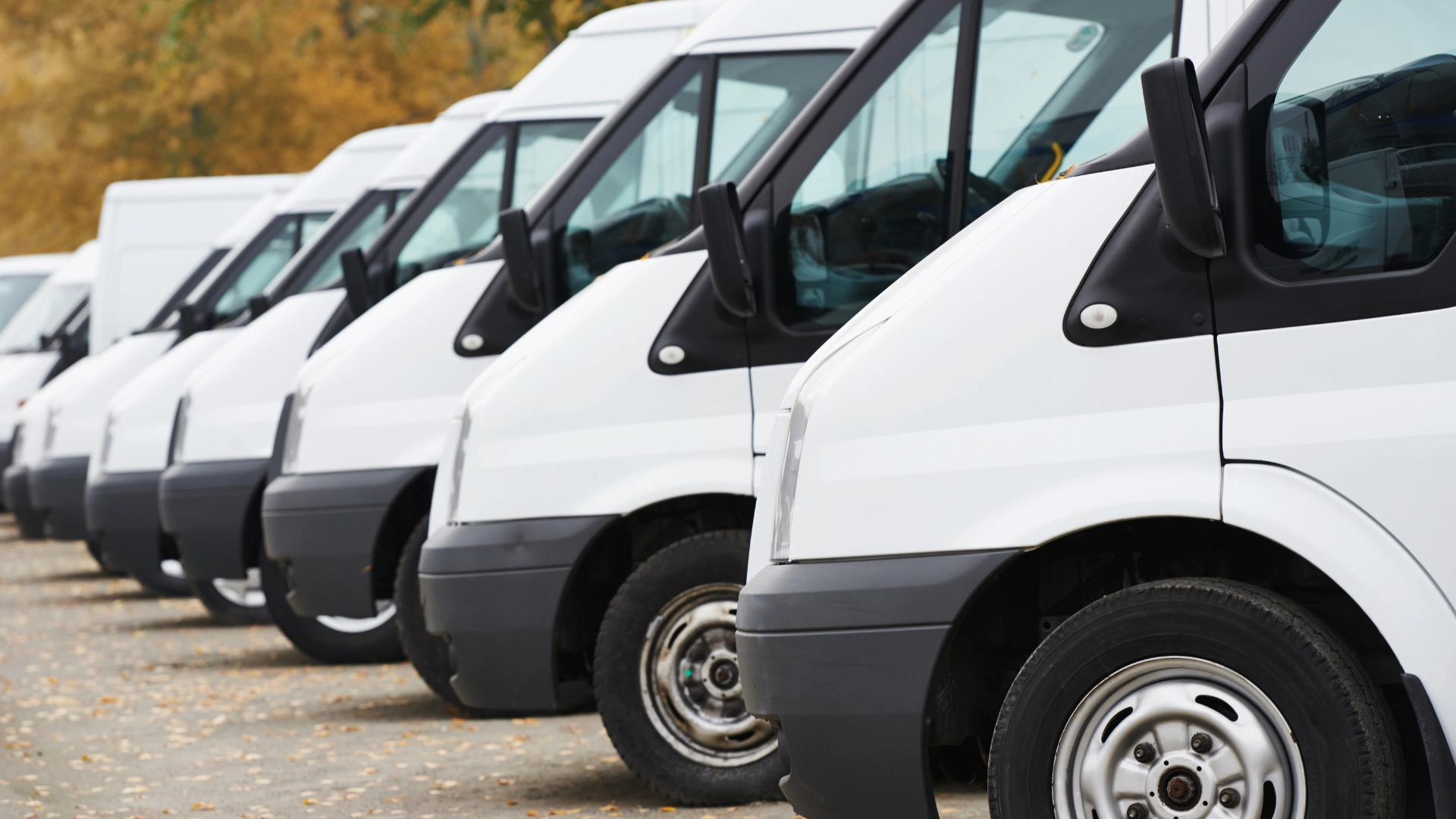
- Company vans — the most common fleet wrap subject, offering large flat surfaces ideal for branding.
- Service vehicles — for trades and field service businesses where local recognition drives calls.
- Pickup trucks — common in contracting and landscaping, often suited to partial wraps given their body shape.
- Cube trucks and box trucks — large vertical panels that function almost like mobile billboards.
- Multi-vehicle fleets — coordinated branding projects where consistency across vehicles reinforces the brand.
Installation Considerations – Climate Controlled Indoor Facility
Professional installation matters for both appearance and durability. Proper surface cleaning, controlled application conditions, and correct handling of curves, recesses, and door seams determine how well a wrap performs over years of use. Poorly installed wraps lift, bubble, or fail prematurely. In addition, a climate controlled indoor facility ensures optimal vinyl adhesion, protects against dust, and provides consistent lighting. This guarantees a flawless, long-lasting wrap for your commercial vehicles and fleets. Toronto Car Wrap is one of the few vinyl wrap installers for commercial fleets with such a facility.
Maintenance Expectations
Wrapped vehicles require routine care to reach their full lifespan: hand washing or gentle automated washing, prompt removal of contaminants common in Toronto winters such as fuel spills or road salt, and avoiding abrasive cleaning. With proper care, quality films typically last 5–7 years before noticeable fading or wear.
Warranty
Reputable wrap films carry manufacturer warranties, and professional installers may offer workmanship coverage. For example, Toronto Car Wrap uses premium 3M films and offers a comprehensive 3-year warranty on all their vehicle wraps. Their warranty covers both material defects and installation workmanship, protecting against craftsmanship issues like peeling, bubbling, and cracking. Confirming warranty details upfront protects the investment.
The Toronto Car Wrap Perspective
Toronto Car Wrap specializes in commercial vehicle branding for businesses across Toronto and the GTA, including fleet branding, commercial fleet wraps, vehicle wraps, partial wraps, and truck wraps. Working across vans, service vehicles, pickups, and multi-vehicle fleets, the team approaches each project as a marketing investment rather than a cosmetic upgrade, accounting for vehicle type, route exposure, budget, and the long-term durability that determines real ROI.
Commercial fleet wraps occupy a distinct position in a Toronto business’s marketing mix: a one-time investment that converts working vehicles into long-term advertising assets. Their value rests on durability, continuous local exposure across the GTA, and the absence of recurring costs that define other channels.
Business owners evaluating fleet branding benefit from a project-specific assessment that accounts for these variables. To discuss your fleet and receive a tailored quote, contact Toronto Car Wrap to review your vehicles, coverage options, and budget.
Frequently Asked Questions
Are commercial vehicle wraps worth the investment?
For most GTA businesses operating vehicles daily, yes. A wrap is a one-time cost that advertises for years, with no recurring spend. Its value comes from longevity and continuous local exposure rather than direct clicks. The investment is most worthwhile for businesses whose vehicles travel high-traffic areas or serve customers within defined geographic zones across Toronto.
How many impressions can a fleet wrap generate?
Outdoor advertising estimates often cite tens of thousands of daily impressions per wrapped vehicle, sometimes quoted at 30,000 to 70,000. These figures vary widely with route, traffic, and hours driven. Treat them as directional. A vehicle on busy GTA corridors will generate substantially more exposure than one used occasionally or in low-traffic areas.
How long do commercial fleet wraps last?
Quality vinyl wrap films typically last five to seven years with proper care. Lifespan depends on film quality, installation, sun exposure, and maintenance. Toronto’s freeze-thaw winters and road salt make routine cleaning important. Wraps showing fading or lifting near the end of their life can be removed and replaced, refreshing the branding without bodywork.
Are commercial vehicle wraps tax deductible in Canada?
Commercial vehicle wraps are generally treated as a business advertising or vehicle expense, which may be deductible. Tax treatment depends on how the vehicle is used and your business structure. The Canada Revenue Agency sets the applicable rules, and treatment varies by situation. Consult a qualified accountant or tax professional to confirm how a wrap applies to your specific circumstances.
What is the difference between full and partial fleet wraps?
A full wrap covers the entire exterior surface for maximum brand impact and a cohesive look. A partial wrap covers selected areas — typically doors, lower panels, and the rear — leaving some original paint visible. Partial wraps cost less and suit simpler branding needs, while full wraps prioritize complete coverage and brand consistency across a fleet.
How much does it cost to wrap a commercial fleet in Toronto?
Fleet wrap cost depends on vehicle types, full versus partial coverage, design complexity, and fleet size. Single-vehicle full wraps carry the highest per-unit cost, while multi-vehicle projects benefit from economies of scale that lower the cost per vehicle. Because pricing is project-specific, most GTA fleet wraps are quoted individually after reviewing the vehicles and design requirements.
What factors affect fleet wrap ROI?
Key factors include the wrap’s lifespan, how many hours vehicles operate, the routes they travel, installation quality, and maintenance. A durable, well-installed wrap on a vehicle covering busy Toronto routes delivers more value than one on a rarely used vehicle. Because the cost is fixed upfront, ROI improves the longer the wrap stays in service.
How do fleet wraps compare to billboards or transit advertising?
Billboards and transit ads charge recurring monthly fees for a fixed location or route. A fleet wrap is a one-time cost that travels wherever the vehicle goes, advertising for years without ongoing payments. Billboards offer fixed high-traffic placement; wraps offer mobile, route-based exposure. Many businesses find wraps deliver a lower long-term cost per impression.
Will a wrap damage my commercial vehicle’s paint?
No. When applied by certified professionals and removed within the manufacturer’s specified timeframe, high-quality vinyl wraps do not damage the original OEM paint. In fact, the vinyl acts as a protective barrier against minor scratches, UV fading, and road debris, helping to preserve the vehicle’s resale value.
Can commercial fleet wraps be removed without damaging the original paint?
Yes. When installed and removed by experienced professionals using high-quality vinyl films, commercial fleet wraps can typically be removed without damaging the original factory paint. In many cases, the wrap also helps protect the paint from UV exposure, minor scratches, and road debris throughout its lifespan. Vehicles with well-maintained OEM paint generally experience the best results during removal.