Key Takeaways
- Becoming a car wrap installer in Ontario requires hands-on vinyl wrap training
- Skill verification typically comes from manufacturer certifications like 3M Preferred Graphics Installer or Avery Dennison Certified Installer.
- Entry-level wrap installers in the GTA generally start at $18–$25/hour
- A realistic path includes focused training plus apprenticeship time at a working shop before installers can handle full vehicle wraps independently.
- Toronto’s dense car culture drives steady demand for skilled installers in both retail and commercial wrap segments.
- Formal coursework matters less than supervised hours on real vehicles, which is why installers learn through structured workshops combined with shop-floor experience.
The vehicle wrap industry in the Greater Toronto Area has grown alongside the region’s expanding luxury and enthusiast car market. Demand now extends well beyond commercial fleet branding into colour change wraps, paint protection film (PPF), and full-vehicle restyling, categories that require trained installers.
For anyone considering this trade, the path is less obvious than auto body or mechanical work. There is no certified designation for vinyl wrap installation in Ontario, and no provincial licensing body. That absence of formal regulation has created confusion about where to start, how long training takes, and what credentials carry weight with employers and clients.
What a Car Wrap Installer Actually Does
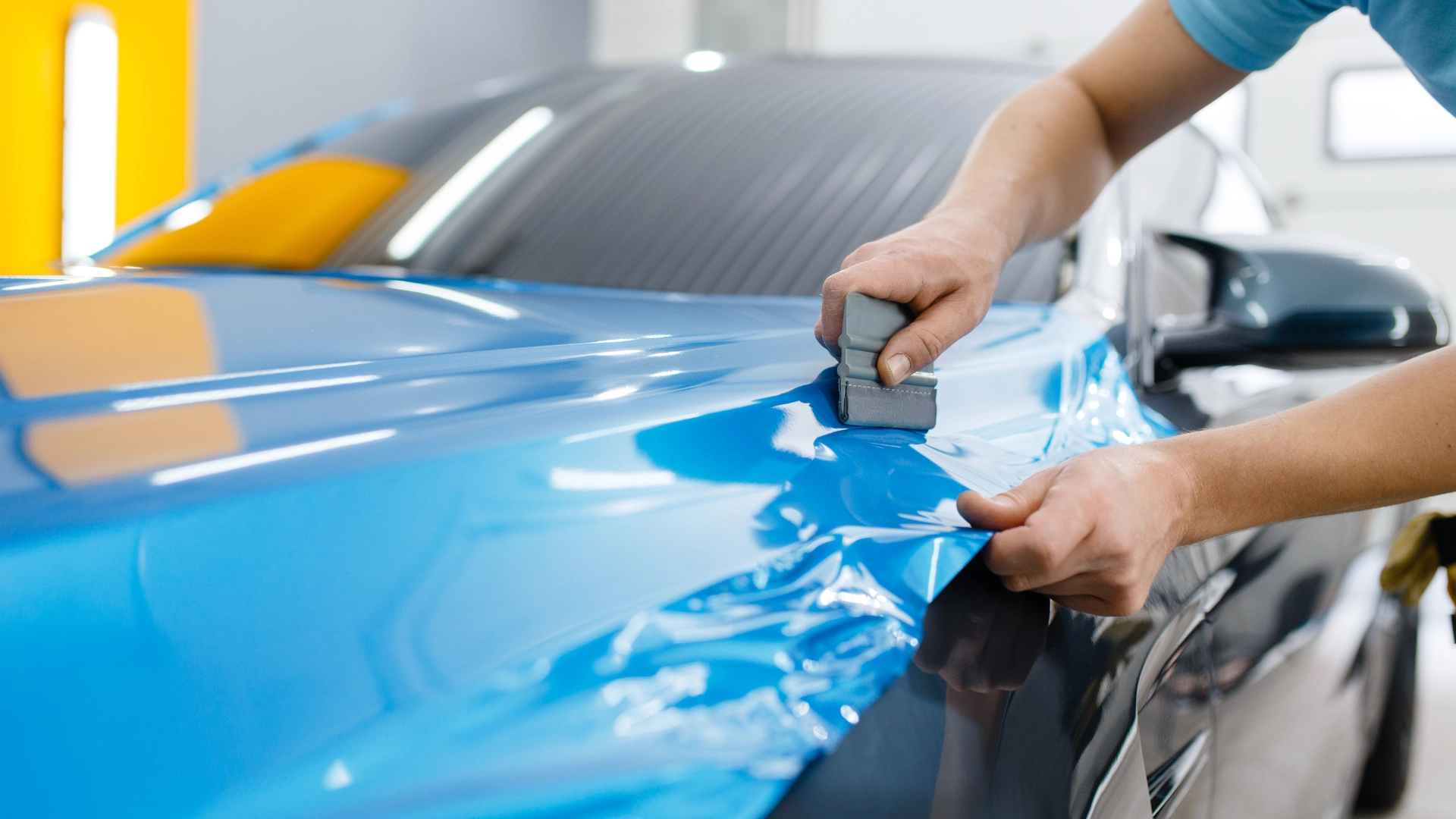
A vehicle wrap installer applies pressure-sensitive vinyl films to vehicle surfaces — either for colour change, advertising, or surface protection. The work combines surface preparation, precision cutting, heat application, and panel-by-panel installation.
Daily tasks typically include:
- Cleaning and decontaminating vehicle panels before installation
- Measuring, cutting, and laying out vinyl panels
- Applying film using squeegees, heat guns, and infrared lamps
- Trimming around emblems, door handles, mirrors, and body lines
- Post-heating film to lock down adhesive memory
- Performing post-installation quality checks and client walkthroughs
The work is detail-intensive. A single misaligned panel on a luxury vehicle can mean a full reinstallation at the shop’s cost, which is why employers prioritize verified skill over self-taught experience.
The Realistic Training Path in Ontario
Step 1: Foundational Vinyl Installation Training
Most installers start with a structured hands-on vinyl wrap workshop. These programs cover the fundamentals: film characteristics, tool handling, surface prep, basic panel installation, and seam placement. A foundational course typically runs four to five days of intensive practice on training panels and partial vehicles.
Step 2: Manufacturer Certification
After foundational training, installers pursue certification from the major film manufacturers. The two most recognized in Canada are:
- 3M Preferred Graphics Installer — requires both a written exam and a practical installation test. Recognized across North America and frequently required by commercial clients.
- Avery Dennison Certified Wrap Installer — similar structure, with separate certifications for graphics and colour change applications.
These certifications carry industry weight because they verify real installation ability, not just classroom attendance.
Step 3: Apprenticeship or Shop-Floor Hours
Certification proves baseline capability. Production speed and finish quality come from accumulated hours on customer vehicles under supervision. Most shops expect at least six months of supervised work before assigning solo full-vehicle wraps. Car wrap installers also build a portfolio of completed projects after completing the supervised hours. Documenting work across different vehicle types, panel complexities, and installation techniques provides tangible evidence of practical ability and is commonly used by employers and clients when evaluating experience.
Step 4: Specialization
Established installers often specialize in higher-margin categories such as paint protection film installation, exotic vehicle wraps, or commercial fleet work. Each has its own learning curve and equipment requirements.
Requirements To Become A Car Wrap Installer
Becoming a professional vehicle wrapper in the Greater Toronto Area requires technical skill, precision, and extreme patience. While the province of Ontario doesn’t mandate a formal trade license to practice, premier shops like Toronto Car Wrap look for specific industry standards. Crucially, individual car wrap installers and local employers often establish their own strict hiring requirements, heavily prioritizing proven hands-on capabilities over classroom hours alone.
To stand out to top-tier GTA shops, aspiring installers should focus on building:
- Manufacturer Certifications: Earning credentials from industry leaders proves your technical material mastery.
- Technical Expertise: Showcasing flawless edge-wrapping, expert heat gun control, and safe, damage-free vehicle disassembly.
- A Strong Portfolio: Presenting high-quality, close-up photos of completed color changes and complex fleet graphics.
Attending local GTA training boot camps or starting as an entry-level prep technician are the most effective ways to meet these shop-specific expectations.
Earning Expectations in the GTA
Wrap installer compensation in Ontario varies based on certification, speed, and specialization. There is no wage structure that employers must adhere to, and thus, earning expectations must factor in experience, skill, and current market conditions.
Based on current job postings across Toronto, Mississauga, Vaughan, and Markham:
- Entry-level installer (0–1 year): $18–$22/hour, often shop-floor support before solo work. Common entry-level positions include Apprentice Installer, Graphics Installer, Shop Helper, and Vehicle Wrap Assistant.
- Certified installer (1–3 years): $22–$30/hour, full-vehicle responsibility
- Lead installer / PPF specialist: $30–$45/hour or piece-rate compensation
- Shop owner / independent installer: Variable, often based on $1,500–$8,000+ per full wrap depending on vehicle and film
Active hiring across the GTA can be verified through job platforms such as Indeed Toronto’s car wrap installer listings, where commercial signage shops, dealerships, and dedicated wrap studios consistently post openings. Recommendations for matte finish car wraps are available in Toronto, Ontario.
Why Toronto Specifically Supports This Career Path
The GTA combines several conditions that make it one of the stronger Canadian markets for wrap installers. The region holds one of the largest concentrations of luxury and exotic vehicle ownership in North America, with active enthusiast communities in York Region, Vaughan, and downtown Toronto driving demand for colour change wraps and PPF.
Commercial fleet demand, which Toronto Car Wrap specializes in, adds a steady baseline of work independent of consumer trends. Delivery vehicles, contractor trucks, and branded service fleets create a diversity of work that also benefits new installers.
Where Toronto Car Wrap Fits
Toronto Car Wrap has operated in the GTA wrap industry for years, working across colour change, commercial, and PPF installations. That production experience is now being formalized into a dedicated training program — Toronto Wrap School — launching soon to address the gap between hobbyist learning and the supervised, certification-aligned training that shops actually require when hiring.
The school’s curriculum is being built around manufacturer certification pathways (3M and Avery Dennison) and structured shop-floor hours, rather than short workshops that leave graduates unprepared for production environments.
Early registration for Toronto Wrap School’s car wrap installer training program is opening soon.
Frequently Asked Questions
How long does it take to become a car wrap installer in Ontario?
Most installers reach independent production capability within three to nine months. This typically includes a foundational vinyl wrap workshop, manufacturer certification testing, and supervised shop-floor hours. Full mastery of complex wraps — exotic vehicles, full PPF, intricate commercial graphics — usually takes two to three additional years of consistent installation work.
Do I need a licence to install car wraps in Ontario?
No provincial licence is required to install vehicle wraps in Ontario. The trade is unregulated at the government level. However, employers and commercial clients consistently require manufacturer certifications — most commonly 3M Preferred Graphics Installer or Avery Dennison Certified Installer — as a verified baseline of installation ability.
How much does car wrap training cost in Toronto?
Foundational vinyl wrap courses in the GTA typically range from $1,500 to $4,500 depending on course length and whether vehicle time is included. Manufacturer certification testing carries additional fees, generally $300 to $800 per certification. Comprehensive programs that combine training, certification preparation, and supervised shop hours can exceed $6,000.
Can I learn car wrapping from YouTube instead of taking a course?
Online videos can introduce concepts, but they do not replace supervised hands-on training. Wrap installation depends on tactile skills — heat management, squeegee pressure, stretch tolerance — that require feedback from an experienced installer. Most shops will not hire self-taught installers without verified work samples, and manufacturer certifications require in-person practical testing.
What’s the difference between a car wrap installer and a PPF installer?
Vinyl wrap installers apply coloured or printed films primarily for appearance and advertising. Paint protection film installers apply clear urethane films designed to protect paint from rock chips and abrasion. PPF requires different tools, longer installation times, and additional certification. Many shops cross-train installers in both, but PPF generally commands higher hourly rates.
Do I need to learn PPF installation to become a car wrap installer?
No. Most installers begin with vinyl wrap training before progressing to Paint Protection Film (PPF). PPF uses different materials, installation techniques, and certification pathways. Many Ontario shops cross-train experienced wrap installers in both services as demand for PPF continues to grow.
Is car wrapping a good long-term career in Toronto?
The Toronto market supports car wrapping as a viable long-term career due to consistent commercial demand and a growing consumer wrap market. Long-term earnings improve significantly for installers who pursue specialization, build commercial client relationships, or open independent shops. Installers who stay generalist face wage compression compared to those who develop PPF or exotic wrap expertise.
What tools do car wrap installers need to start?
Essential starter tools include a heat gun, infrared thermometer, squeegees with felt edges, knifeless tape, precision cutting blades, isopropyl alcohol cleaning supplies, and surface prep cloths. A complete starter kit ranges from $400 to $1,200. Working installers typically build their kit over time, adding specialty squeegees, magnets, and post-heating equipment as needs grow.
Where can I find car wrap installer jobs in the GTA?
Active openings appear consistently on Indeed, Workopolis, and Job Bank Canada under terms like “vinyl wrap installer” and “vehicle graphics installer.” Direct outreach to established wrap shops across Toronto, Mississauga, Vaughan, and Markham is often more effective than general job boards, particularly for installers with recent certification but limited shop-floor experience.