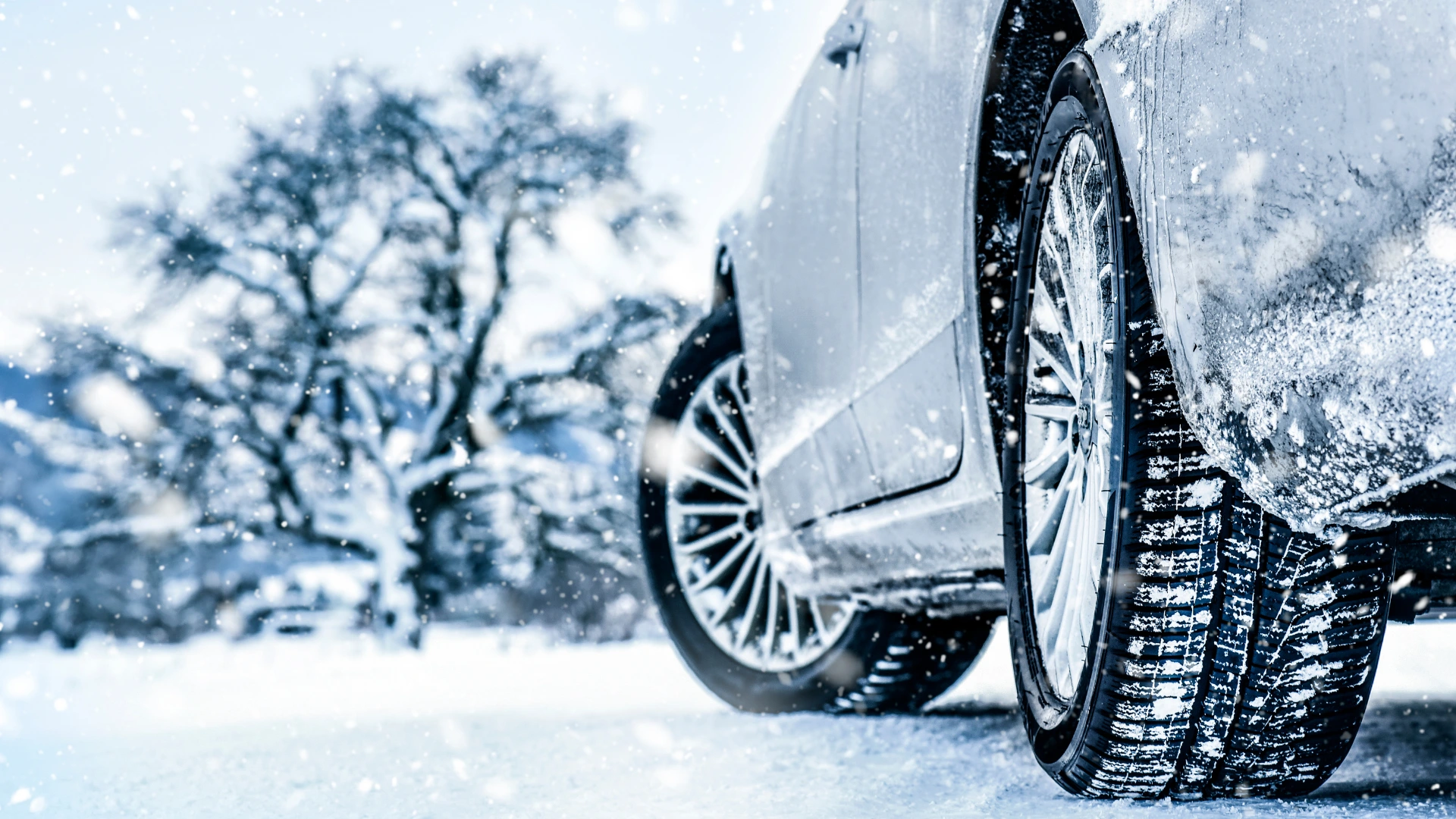
Winterizing your car wrap in Toronto means proactively protecting it against harsh salt, snow, and ice. While salt does not dissolve the PVC film itself, dried brine residue abrades the surface, stains matte finishes, and wicks under seams where freeze-thaw cycles cause the vinyl to lift over time. To avoid gouging or scratching the vinyl, always use a soft foam-head snow broom and let your vehicle’s defroster safely melt bonded ice. Refrain from using a hard ice scraper or stiff bristle brush on a wrapped panel.
Toronto typically spreads 130,000 – 150,000 tonnes of road salt each winter according to the City’s winter road operations fact sheet (October 2024), thereby making early preparation in October essential.
Key Takeaways
- Road salt does not dissolve vinyl, but dried brine residue abrades the finish, stains matte films and works under edges, where freeze–thaw cycles lift the film.
- Never use an ice scraper or stiff brush on a wrap; use a foam-head snow broom and let the defroster release ice.
- Wash every one to two weeks with a touchless or pH-neutral hand wash; 3M advises against brush washes.
- A wrap-safe ceramic coating applied before the first snowfall lets brine rinse off instead of drying in place; paint protection film (PPF) is a separate layer for impact zones.
- Dry the edges after every wash and inspect seams
Does Road Salt Damage Vinyl Car Wraps?
Road salt does not leave stubborn deposits on PVC film; the residue it leaves behind abrades, stains and undermines the wrap over a season of neglect. Because the damage is cumulative it is often not noticed until spring. The City salts rather than sands, and its winter road operations fact sheet notes that brine residue shows as white stripes on the pavement; the same dried film ends up on the lower third of every vehicle that drives through it.
How Salt and Brine Affect Vinyl Film
- Abrasion. Dried brine is salt crystal mixed with road grit; wiping or brushing drags that grit across the film and dulls the surface, most visibly on gloss finishes.
- Edge and seam intrusion. Brine stays liquid below 0°C and wicks into panel gaps and cut edges. Each freeze–thaw cycle can expand trapped water into ice and lift the edge. Once lifted, salt collects beneath it and the lifting spreads.
- Staining. Brine dried on matte and satin films leaves white mineral marks that do not rinse off easily and can etch gloss films if left for weeks.
- Corrosion beneath the film. Where a chip exposes bare metal, salt accelerates rust, which pushes the vinyl up from underneath; film will not re-adhere to a corroded surface.
What Do Freezing Temperatures and Ice Scrapers Do to a Vehicle Wrap?
Cold does not damage a properly installed wrap on its own, but it changes how the film responds to force. Cast vinyl stays flexible through a typical Toronto winter, yet well below freezing it stiffens. A hard impact or a scraper blade is then more likely to crack or gouge the film than it would be in July. The adhesive also bonds less aggressively, so edges that were marginal in the fall are the first to lift in January.
Ice, Scrapers and Snow Brushes
Chipping or prying bonded ice off a wrapped panel pulls on the film and can tear it at an edge; the safe method is the defroster or a lukewarm rinse, never boiling water. Ice scrapers are designed for glass, not film: the hard edge gouges vinyl, drags trapped grit across the finish and lifts any seam it crosses. Bristle snow brushes leave fine scratches that show on dark gloss wraps, and a scraper tears perforated window graphics, so use the defroster on any glass that carries graphics.
How Do I Safely Clean Snow Off My Wrapped Car?
Clean snow off a wrapped car with a foam-head snow broom, working from the roof down, and let the defroster handle any ice. Clear the whole vehicle, including the roof: snow that slides onto the windshield under braking blocks your view, and ice shed at highway speed endangers the drivers behind you.
- Run the defroster first. Warm glass and panels release ice and packed snow without any tool.
- Use a foam-head snow broom or soft microfibre brush, never a bristle brush, shovel or ice scraper, and push snow off with light pressure.
- Work top down: roof, glass, hood and trunk, then the sides, lifting the broom at panel edges, seams and badges.
- Leave bonded ice alone. If the defroster does not release it, a lukewarm rinse will; prying it off takes film with it.
- Do not wipe slush with a dry cloth or glove. Slush carries road grit, and wiping it dry sands the finish.
- Rinse the lower panels after a storm, where brine concentrates on rocker panels, bumpers and wheel arches.
For a vehicle parked outside, a breathable car cover prevents most of this work; 3M recommends storing a wrapped vehicle indoors or under a cover whenever possible.
Why Do Frequent Touchless Washes Matter in Winter?
In our experience, washing is one of the most effective winter protections for a wrap, because every mechanism of salt damage depends on residue being left in place. 3M’s Product Care Guide for 3M Wrap Film recommends hand washing whenever possible and, when an automatic wash is used, the touchless option. Brush washes may dull and scratch the film and lift the edges of graphics. The same guide advises against washing in the first 72 hours after installation and against abrasive tools at any time.
How Often to Wash in Winter
Every one to two weeks, and within two to three days of any salting eventl. Add a rinse after highway driving in slush, since the City pre-treats expressways, hills and bridges with brine, and whenever white residue is visible on the lower panels.
Touchless Versus Hand Washing
A touchless wash has no brushes, so nothing abrasive touches the film. Its trade-off is chemistry: without friction, these systems rely on stronger detergents and higher rinse pressure, so choose a wash that finishes with a thorough fresh-water rinse, skip wax add-ons unless they are confirmed vinyl-safe, and keep any pressure wand well back from edges and seams. When temperatures allow, a hand wash with pH-neutral shampoo and a clean microfibre mitt is gentler still. After any winter wash, towel-dry door edges, mirror caps, bumper seams and the trailing edges of the hood and trunk. Water left in seams freezes overnight and lifts edges.
Ceramic Coating Over a Vinyl Wrap: Added Winter Protection
In our view, ceramic coating formulated for vinyl is the most practical pre-winter upgrade for a wrapped vehicle. The coating is a liquid silica-based layer that bonds to the surface of the film and cures to a hard, hydrophobic finish, so brine beads and sheds rather than drying in place and salt residue releases with a rinse instead of a scrub. Matte wraps need a matte-specific product, because gloss formulas add sheen.
A coating has limits. It does not make the film scratch-proof, it does not seal lifted edges, and a professionally applied coating typically lasts one to two years before it needs renewing. Apply it in October or early November, after the film has fully cured and the wrap has been washed and decontaminated. Measured against the car wrap cost in Toronto for a full colour change, a coating is a fraction of the investment it protects.
Ceramic Coating Versus Paint Protection Film (PPF) in Winter
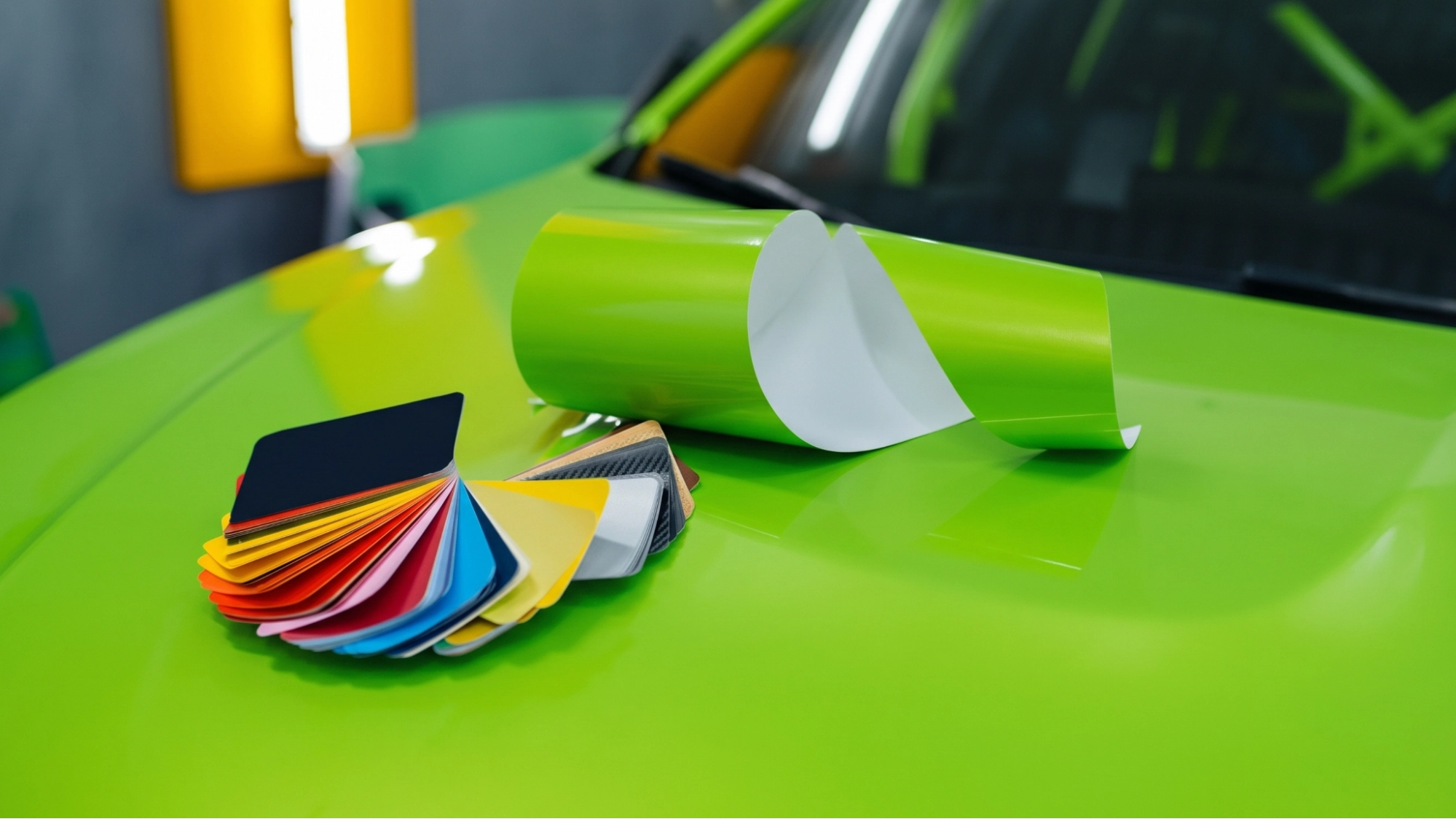
Paint protection film is a clear polyurethane film, typically about 8 mil (0.2 mm) thick, roughly twice as thick as cast wrap vinyl, with a self-healing topcoat. Installed on high-impact panels, it absorbs the grit and gravel that strike the front bumper, hood and rocker panels at speed. A ceramic coating can then go over both, so the three layers stack: PPF for impact, vinyl for colour or graphics, coating for chemical and residue resistance. For most wrapped vehicles in Toronto, the order of priority is a wash routine first, a ceramic coating second, and PPF on the front end for vehicles that cover regular highway kilometres.
Pre-Winter Guidelines for Toronto Drivers
Complete this list in October. The City’s contractors deliver brine (direct liquid application) trucks to City yards by October 15 and salt trucks by November 8.
- Inspect every edge, seam and corner for lifting; anything that catches a fingernail needs repair before it meets salt.
- Repair chips or scratches that expose bare metal near film edges.
- Wash and decontaminate the wrap, then apply a wrap-safe ceramic coating.
- Consider PPF for the front bumper, hood and rocker panels if the vehicle regularly drives the 400-series highways.
- Buy a foam-head snow broom and retire the ice scraper from every wrapped panel.
- Choose a touchless wash near home or work and schedule a visit every one or two weeks.
- Arrange indoor or covered parking where possible.
- Cover winter tires, battery and an emergency kit with CAA South Central Ontario’s winter driving guidance.
Why Choose Toronto Car Wrap
- Over 12 years of custom vehicle wrap experience.
- Climate-controlled Vaughan facility ensures consistent, year-round curing.
- Three-year installation warranty on all vinyl wrap applications.
- Fast, professional installation minimizes your vehicle’s downtime.
- Uses high-quality, durable 3M materials for lasting results.
- Handles everything from personal cars to 53-foot fleet trailers.
How Toronto Car Wrap Prepares Vehicles for GTA Winters
Toronto Car Wrap has installed vehicle wraps for personal vehicles and commercial fleets across the GTA for more than 12 years, from a climate-controlled facility in Vaughan. Every installation cures at a consistent temperature regardless of season, and each installation carries a three-year warranty.
If your wrap shows lifted edges, staining or scraper damage, or you want paint protection film applied before the first brine goes down, contact Toronto Car Wrap at (289) 670-9690 or request a quote online. Booking an inspection in October leaves time to repair, coat and protect the film before the first snowfall.
Frequently Asked Questions
Does road salt damage vinyl car wraps?
Yes, but indirectly. Dried brine and salt crystals abrade the surface, leave white mineral staining on matte and satin finishes, and wick under edges and seams, where freeze–thaw cycles lift the film. Salt also accelerates rust on any exposed metal beneath the wrap. Washing every one to two weeks removes the residue before any of this begins.
Can I take a wrapped car through a car wash in winter?
Yes, if it is a touchless wash. 3M’s care guide recommends hand washing where possible and the touchless option otherwise, because brush washes may dull and scratch wrap film and lift the edges of graphics. Choose a wash with a thorough fresh-water rinse, skip wax add-ons unless they are confirmed vinyl-safe, and towel-dry the edges afterwards.
How often should I wash my wrapped car in winter?
Every one to two weeks, and within two to three days of any storm. Toronto applies brine about 12 hours before snow on expressways, hills, bridges and major intersections, and spreads salt once snowfall begins, so a wrapped vehicle collects residue during and after every event. Highway driving in slush deposits more brine than city streets and justifies an extra rinse of the lower panels and wheel arches.
Can I use an ice scraper on a vinyl wrap?
No. Ice scrapers are made for glass. The hard edge gouges vinyl, drags grit across the finish and lifts seams. Use a foam-head snow broom for snow and the defroster for ice. Never scrape perforated window graphics on commercial vehicles, because the blade tears the perforations. If ice will not release, a lukewarm rinse loosens it safely.
Does cold weather crack or peel a vinyl wrap?
Not on its own. Quality cast vinyl stays flexible through a Toronto winter, but it stiffens at very low temperatures, and the adhesive bonds less aggressively in the cold. Winter cracks and peeling usually trace back to an impact, a scraper or an edge that was already marginal. Inspecting and repairing edges in October prevents most winter failures.
Can you ceramic coat a vinyl wrap?
Yes, using a coating formulated for vinyl and PPF, applied after the film has fully cured. The coating cures to a hydrophobic, chemical-resistant layer that lets brine and salt residue rinse off more easily and resists staining. Matte wraps need a matte-specific product. A coating does not prevent scratches, so snow-removal technique still matters on a coated vehicle.
Is paint protection film better than a vinyl wrap for winter?
They serve different purposes. Paint protection film (PPF) is a thick, clear polyurethane layer that absorbs rock chips and grit impacts on the front of the vehicle. A vinyl wrap changes colour or carries graphics and is about half as thick. For winter, the strongest combination is PPF on impact zones, wrap elsewhere, and a ceramic coating over both.
Can a car be wrapped in winter in Toronto?
Yes, provided the installation happens in a climate-controlled facility, because wrap film and its adhesive need a stable, warm environment to conform and cure. Toronto Car Wrap installs indoors year-round in Vaughan. After installation, 3M advises against washing for the first 72 hours, and the vehicle should be kept clean and dry for that period.