Discussions regarding ppf vs vinyl wrap and which is right for your Toronto vehicle often confuse the two as being competing choices. The reality is that paint protection film and vinyl wrap for cars and commercial vehicles have two fundamentally different purposes. PPF exists to defend your factory paint. Vinyl wrap exists to change how your vehicle looks. Treating them as direct rivals leads many vehicle owners to value one over the other.
The distinction matters more in the Greater Toronto Area than in milder climates. Winter road salt, sand and brine treatments, long stretches of highway driving on the 401 and 400-series routes, and loose gravel in construction season all place real stress on a vehicle’s exterior. The right surface treatment depends on whether your priority is preserving paint, transforming appearance, or both.
Determining which is right for your vehicle comes down to a familiarity with what each product does, how they compare across the factors that matter, what GTA drivers should expect to budget, and how to decide based on your actual goals.
Key Takeaways
- PPF (paint protection film) and vinyl wrap solve different problems. PPF is a clear, self-healing layer that shields paint from chips and abrasion. Vinyl wrap is a colour or finish change. Many Toronto drivers benefit from both, not one or the other.
- For protection against GTA road salt, highway stone chips, and gravel, PPF is the stronger choice. Its thickness and impact resistance are built for exactly these conditions.
- For appearance changes, custom colours, matte/satin finishes, or commercial branding, vinyl wrap is the right tool, and it can be removed without harming factory paint.
- PPF generally lasts longer (roughly 7–10 years for quality film) than colour-change vinyl (roughly 5–7 years), though real lifespan depends on care, parking, and winter exposure.
- Pricing in the GTA varies widely by coverage area, vehicle size, and film grade. Always request a quote based on your specific vehicle rather than relying on flat industry averages.
What Is Paint Protection Film (PPF)?
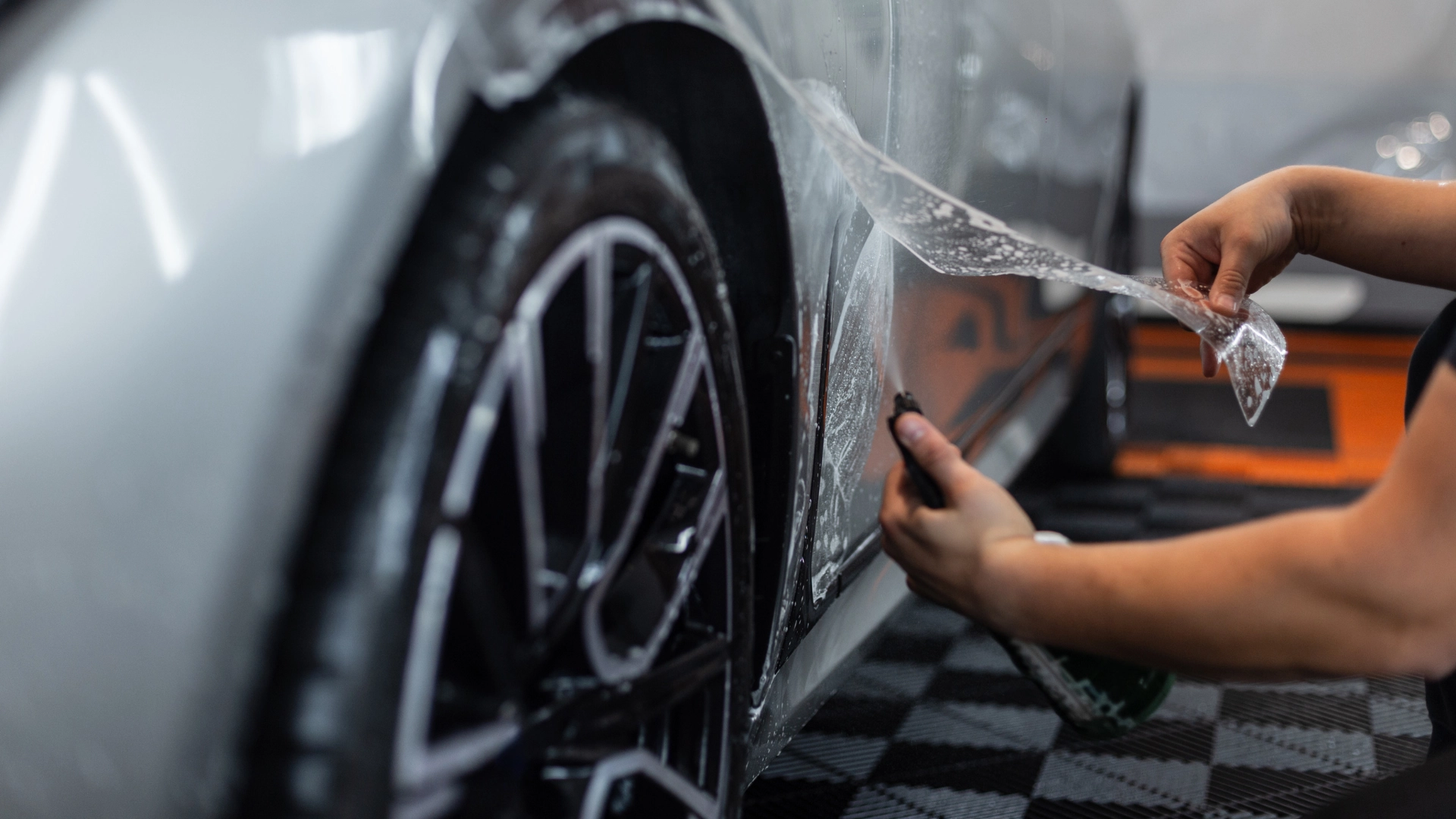
Paint protection film is a transparent thermoplastic urethane film applied over a vehicle’s painted surfaces. It is engineered to absorb impact from stone chips, road debris, and minor abrasions before that damage reaches the paint underneath.
There are a number of key benefits to PPF, but the most appealing is that quality PPF is self-healing to a degree. Light swirl marks and fine scratches in the film disappear with heat exposure, such as sunlight or warm water. It is also largely invisible once installed, preserving the factory finish rather than altering it.
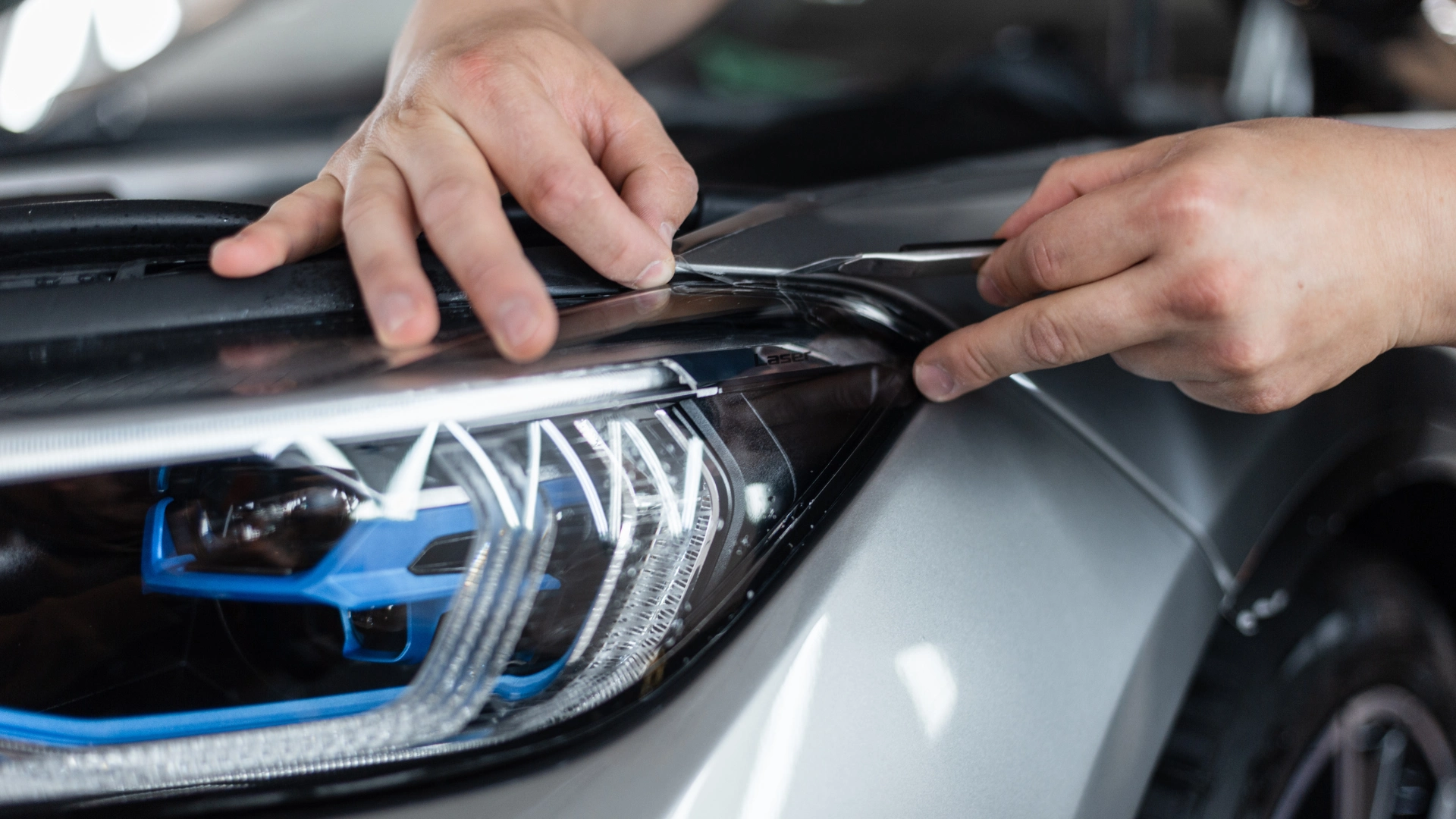
PPF is commonly applied to high-impact zones, the front bumper, hood, fenders, mirrors, and headlights, in what the industry calls a partial or “high-impact” package. Full-vehicle PPF coverage is also available for owners who want complete protection.
What Is Vinyl Wrap?
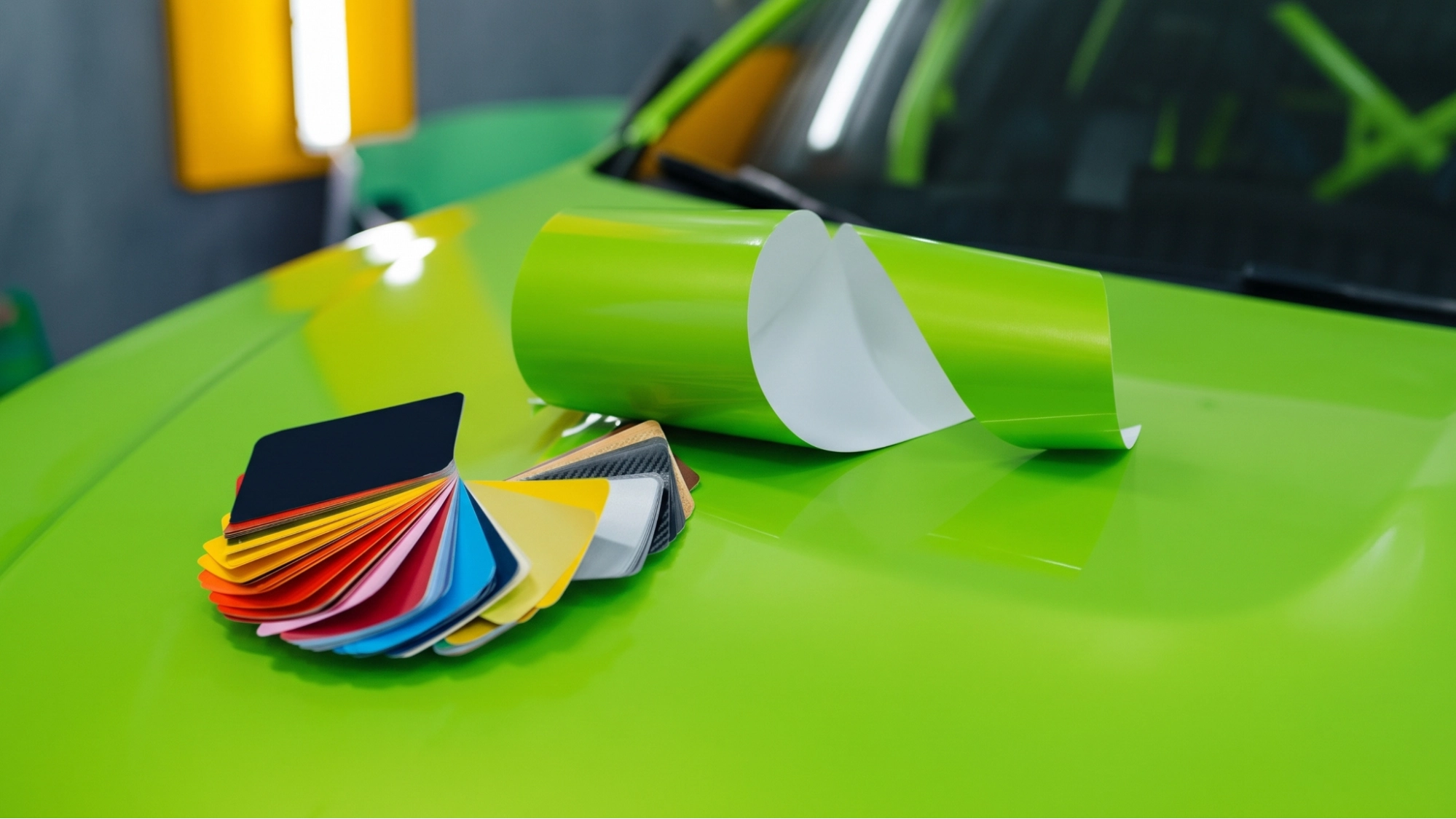
Vinyl wrap is an adhesive-backed film applied over factory paint to change a vehicle’s colour, finish, or graphics. Unlike PPF, its purpose is aesthetic and, for businesses, promotional.
Vinyl is available in a wide range of finishes, including gloss, matte, satin, metallic, and specialty textures such as brushed metal or carbon-fibre look. A colour-change wrap transforms the entire vehicle, while partial wraps and graphics support commercial branding and fleet identification.
Whether you decide to get a full car wrap or partial vinyl wrap, quality vinyl can be removed by a professional without damaging the underlying paint on both trucks and cars, which makes it popular for leased vehicles and for owners who want to revert before resale.
PPF vs Vinyl Wrap: Side-by-Side Comparison
| Factor | Paint Protection Film (PPF) | Vinyl Wrap |
| Primary purpose | Protect paint from physical damage | Change colour, finish, or branding |
| Appearance | Clear / near-invisible (gloss or matte options) | Wide range of colours and finishes |
| Protection level | High: resists chips, abrasion, light scratches | Low: cosmetic layer, minimal impact protection |
| Self-healing | Yes (quality film) | No |
| Typical lifespan | ~7–10 years | ~5–7 years |
| Maintenance | Standard washing; very low effort | Standard washing; avoid harsh abrasives |
| Removability | Removable by a professional | Removable by a professional; paint-safe |
| Relative cost | Higher per panel | Lower for full-vehicle colour change |
| Best for | Resale value, paint preservation | Customization, aesthetics, fleet branding |
The single most important row is “primary purpose.” PPF is protection; vinyl is appearance. Almost every other difference follows from that distinction.
How Toronto Driving Conditions Affect Your Choice
Local conditions should weigh heavily in this decision.
- Road salt and brine: GTA winters involve heavy salting and brine spraying. While salt is more associated with corrosion of underbody components, the constant grit and spray on highways accelerates paint wear on lower panels and front-facing surfaces. PPF provides a sacrificial barrier here; vinyl does not meaningfully protect against impact.
- Highway stone chips and gravel: Frequent 400-series highway driving, especially behind transport trucks and through construction zones, is a leading cause of front-end chipping. This is the scenario PPF is specifically engineered for, which is why front-end “high-impact” packages are the most common request. According to 3M, paint protection film is designed to help protect automotive paint from stone chips, scratches, bug damage, road tar, UV exposure, and other environmental hazards. These protective qualities make PPF a practical solution for vehicles that are regularly driven on Toronto’s highways and exposed to road debris.
- Temperature swings: Toronto’s freeze-thaw cycles and summer heat affect adhesives and films over time. Both products perform well when professionally installed, but installation quality matters more in a variable climate than in a stable one.
For drivers whose main concern is keeping factory paint intact through GTA winters and highway commutes, protection is the deciding factor, and that points to PPF. However, vinyl wrap is durable in its own right, often lasting 5 to 7 years or more with proper care.
Which Option Is Right for You? Decide by Goal
Rather than asking “PPF or vinyl,” start with your objective.
- Goal: Protect paint and preserve resale value. Choose PPF. Intact factory paint is a meaningful resale advantage, and PPF is the most direct way to keep it that way through Toronto conditions.
- Goal: Change your vehicle’s colour or finish. Choose vinyl wrap. It delivers the aesthetic result PPF cannot, and it is reversible.
- Goal: Commercial branding or a fleet. Choose vinyl wrap. Partial wraps and graphics are the standard for business vehicle identification.
- Goal: Both a custom look and real protection. Combine them, see the next section.
- Goal: Maximum, complete coverage with no appearance change. Choose full-vehicle PPF (including available matte-finish PPF if you want a satin look while keeping protective properties).
Practical Scenarios: When to Choose Which
To contextualize the decision, consider these common driver profiles in the Toronto area.
- The Daily Highway Commuter: A driver who commutes from Mississauga to Markham daily via the 401 faces constant exposure to transport trucks and loose debris. Recommendation: PPF (at least a full front package) is essential to prevent the hood and bumper from accumulating hundreds of rock chips over a single winter.
- The Enthusiast Seeking a Unique Color: An owner of a weekend sports car wants an aggressive matte black finish for summer car shows, but the vehicle is stored indoors during the winter. Recommendation: A vinyl wrap provides the necessary visual transformation without over-investing in heavy-duty impact protection that a garage-stored vehicle may never require.
- The Leased Luxury Vehicle: A driver leasing a premium SUV wants to ensure they do not face steep dealership penalties for paint damage upon returning the vehicle in three years. Recommendation: A partial front PPF installation is a calculated investment that prevents minor damage and ensures a penalty-free lease return.
Can You Combine PPF and Vinyl Wrap?
Yes, and for many owners this is the best answer. PPF can be applied to high-impact areas for protection, while vinyl wrap has its own ROI when it comes to colour change and branding. When layering both on the same panel, sequence and installer skill matter, so this is a job for an experienced professional rather than a DIY attempt.
This combined approach is increasingly common among GTA drivers who want a distinctive appearance without sacrificing the paint protection that local roads demand.
Pricing Expectations in Toronto and the GTA
Budget is a significant factor when evaluating automotive films. The cost of PPF in Toronto is generally higher than vinyl due to the advanced material composition of polyurethane and the meticulous, labor-intensive installation process required to ensure total optical clarity.
- Partial PPF Coverage: Protecting high-impact zones—such as the front bumper, leading edge of the hood, front fenders, and side mirrors—typically ranges from $600 to $1,500.
- Full Vehicle PPF: Encasing the entire vehicle in self-healing TPU generally costs between $4,000 and $6,000+, depending on the vehicle’s square footage and panel complexity.
- Full Vinyl Wrap: A complete wrap usually ranges from $2,500 to $5,000. Price variations depend on whether you select standard gloss colours, specialized chrome finishes, or custom-printed commercial graphics. See our detailed vehicle wrap pricing guide.
The Toronto Car Wrap Perspective
The “PPF vs vinyl wrap” question is best answered by replacing “versus” with “for what purpose.” Paint protection film defends your vehicle against the stone chips, abrasion, and harsh winter conditions of GTA roads. Vinyl wrap transforms appearance and supports branding while keeping factory paint reversible. For many Toronto drivers, the most practical solution combines the two.
For a daily highway commuter concerned about stone chips, we typically guide toward PPF on high-impact panels. For an owner who wants a matte-black finish on a leased vehicle, vinyl is the appropriate, paint-safe choice. For those who want both, a combined approach is well established. You can explore our dedicated paint protection film and vinyl wrap service pages for specifics on each.
If you are still weighing these options for your own vehicle, the most reliable next step is a coverage and pricing assessment based on how and where you drive. Contact Toronto Car Wrap for a vehicle-specific consultation.
Frequently Asked Questions
Is PPF better than vinyl wrap?
Neither is universally better; they serve different purposes. PPF is better for protecting paint against chips, abrasion, and GTA road debris. Vinyl wrap is better for changing colour, finish, or branding. The right choice depends on whether your priority is protection or appearance, and many drivers ultimately use both together. View our simplified table below:
| Feature | Paint Protection Film (PPF) | Vinyl Wrap |
| Primary Purpose | Physical damage protection | Aesthetic transformation |
| Material Base | Thermoplastic Polyurethane (TPU) | Polyvinyl Chloride (PVC) |
| Thickness | 8 to 10 mils | 3 to 4 mils |
| Self-Healing | Yes (heat activated) | No |
| GTA Lifespan | 7 to 10+ years | 5 to 7 years |
| Cost in Toronto | $1,500 to $6,000+ | $2,500 to $5,000 |
Can PPF and vinyl wrap be combined?
Yes, combining both films is a common and highly effective strategy. Vehicle owners frequently apply a full color change vinyl wrap to alter the vehicle’s appearance, followed by applying clear PPF over high-impact zones like the front bumper, hood, and side mirrors. This approach ensures you achieve your desired aesthetic while maintaining robust defense against road debris.
Does PPF protect against road salt and stone chips?
PPF is highly effective against stone chips and abrasion, which makes it well suited to Toronto highway driving. It also provides a barrier against the grit and spray common in salted GTA winters. Note that salt-related corrosion of underbody components is a separate issue best addressed with rustproofing.
Which option lasts longer in Toronto weather?
PPF generally lasts longer, often around 7–10 years for quality film, compared with roughly 5–7 years for colour-change vinyl. Actual lifespan depends on installation quality, washing habits, and exposure to salt, sun, and freeze-thaw cycles. Garaged vehicles tend to see longer life from both products.
Will vinyl wrap or PPF damage my factory paint?
When professionally installed and later removed by a qualified technician, both are paint-safe on factory finishes in good condition. Issues typically arise from poor installation, low-quality materials, or removal from already-damaged or repainted panels. This is why installer experience matters as much as the product itself.
Is “clear bra” the same as PPF?
Yes. “Clear bra” is an informal term for paint protection film, originally referring to the clear film applied to the front bumper and hood. Today PPF covers far more than the front end, including full-vehicle applications, but the names refer to the same category of product.
Does PPF come in matte or coloured finishes?
Yes. While traditional PPF is clear, matte and satin PPF options exist for owners who want a finish change while retaining protective properties. Coloured PPF is more limited than vinyl’s range, so drivers seeking extensive colour options usually choose vinyl or a combined approach.
How do I choose between PPF and vinyl for resale value?
For resale, PPF is generally the stronger choice because it preserves the original factory paint, which buyers and dealers value. Vinyl supports resale differently: it can be removed to reveal protected, unfaded paint underneath. The best option depends on whether your aim is preservation or reversible customization.