Key Takeaways
- A full vinyl wrap in Toronto typically costs $2,800–$4,500, while a quality full respray runs $3,000–$7,500+, with show-quality paint jobs going considerably higher.
- Vinyl wraps are reversible, faster to install (3–7 days vs. 2–4 weeks), and protect factory paint
- A professional paint job lasts 10–15+ years while vinyl lasts 5–7 years and is a preferred choice for classic restorations or permanent colour changes.
- Toronto’s road salt, freeze-thaw cycles, and UV exposure degrade both finishes, but vinyl can be replaced for roughly $500 per panel versus thousands to repaint.
- PPF (Paint Protection Film) and ceramic coating are not direct alternatives; they complement either choice and address different problems.
If you’re comparing car wrap vs paint, understanding the differences in cost, durability, resale value, and maintenance can help you choose the best option for your vehicle.
Every spring, GTA drivers face the same question after another winter of salt brine, sand, and stone chips: refresh the car’s appearance, or protect what’s left of the factory finish? The choice usually comes down to two options: a traditional paint job or a vinyl wrap. They are not interchangeable, and the “better” answer depends on how long you plan to keep the vehicle, what you’re trying to achieve, and how Toronto’s climate will treat the finish.
This guide compares both options on cost, longevity, resale impact, and winter durability using the realities of installing finishes in a city where road salt season runs roughly five months.
Cost Comparison: Wrap vs. Paint in Toronto
Pricing of a car wrap varies by vehicle size, finish complexity, and installer quality, but the GTA market has settled into reasonably consistent ranges in 2026.
While pricing is similar, downtime is not. A wrap is typically completed in 3–7 days, while a professional paint job can take 2–4 weeks, depending on prep work.
Vinyl Wrap Pricing (Full Vehicle)
- Compact car: $2,800–$3,500
- Sedan / mid-size: $3,500–$4,500
- SUV / truck: $4,500–$6,000
- Specialty finishes (colour-shift, chrome, brushed): +20–100% surcharge
These figures assume premium cast vinyl from 3M (1080/2080 series) or Avery Dennison SWF, which are common materials used by reputable Toronto installers. If a shop quotes under $2,000 for a full wrap, the materials, labour, or both are most likely compromised.
Paint Job Pricing (Full Vehicle)
- Entry-level respray: $1,500–$3,000 (limited prep, single-stage paint, visible overspray risk)
- Quality refinish: $3,000–$5,500 (base/clear coat, panel removal, proper prep)
- Show-quality / colour change: $7,500–$15,000+
- Concours restoration: $20,000+
The headline that “painting is cheaper” only holds at the budget end of the paint market, while it’s common for more budget-friendly paint work in Toronto’s climate to show clear coat failure within 3–5 years. Compared like-for-like, a quality wrap and a quality paint job land in similar territory, with wraps slightly less expensive on average.
| Comparison Factor | Premium Vinyl Wrap | Professional Paint Job |
| Cost: Compact Car | $2,800 – $3,500 | $1,500 – $3,000 (Entry-level / limited prep) |
| Cost: Sedan / Mid-size | $3,500 – $4,500 | $3,000 – $5,500 (Quality refinish) |
| Cost: SUV / Truck | $4,500 – $6,000 | $7,500 – $15,000+ (Show-quality / colour change) |
| Cost: Specialty Finishes | +20% to 100% surcharge | $20,000+ (Concours restoration) |
| Installation Time | 3 – 7 days | 2 – 4 weeks |
| Typical Lifespan | 5 – 7 years (assuming proper care) | 3 – 5 years (budget) to a lifetime (premium) |
| Reversibility | 100% reversible; preserves factory paint | Permanent; irreversibly alters factory finish |
Durability: How Each Finish Holds Up in Toronto
Vinyl Wrap Lifespan
A properly installed cast vinyl wrap lasts 5–7 years in Toronto conditions, with garage-kept vehicles reaching the upper end. The main threats are:
- UV degradation on horizontal panels such as the hood or roof are often first to fade
- Edge lifting from repeated freeze-thaw cycles, especially around door handles and wheel wells
- Chemical staining from road salt brine if not washed regularly through winter
Critically, vinyl shields the factory paint underneath. When removed, the original finish is preserved, assuming the wrap was installed within a reasonable window of the vehicle being new and the OEM paint was in sound condition.
Paint Job Lifespan
A quality refinish lasts 10–15+ years if maintained, and a factory-quality job can outlast the vehicle. But Toronto introduces specific failure modes:
- Road salt accelerates clear coat oxidation and edge corrosion
- Stone chips on the hood, front bumper, and rocker panels require touch-ups or repainting
- Sun and winter cycle exposure dulls clear coat finishes within 5–8 years without ceramic coating
A repaint is also permanent. Changing colour means another full respray at market price. You can read more about Commercial Fleet Wrap Maintenance here.
How to Maintain a Car Wrap or Paint Job?
Both vinyl wraps and paint require regular maintenance to maximize their service life. Routine cleaning removes road salt and contaminants before they can damage the finish, while proper washing techniques reduce the risk of scratches, staining, and premature wear.
- Hand wash instead of using automatic car washes with abrasive brushes.
- Use pH-neutral automotive cleaning products.
- Remove bird droppings, tree sap, and bug residue promptly.
- Apply a compatible ceramic coating for added surface protection and easier cleaning.
- Inspect wrap edges periodically for lifting, particularly after winter.
Resale Value: The Underdiscussed Factor
A wrap generally preserves resale value because the buyer is receiving a vehicle with original factory paint underneath. Wraps in non-standard colours can be removed before sale, returning the car to its OEM colour and depreciation curve.
A repaint affects resale in ways that depend on quality and disclosure. A factory-quality respray in the original colour is largely neutral. A colour change can typically reduce resale value because it narrows the buyer pool and triggers questions about why the car was repainted, and collision history is often the assumption.
Carfax disclosures of paint work, even cosmetic, can knock a percentage off trade-in offers.
For leased vehicles, this matters more: most lease agreements prohibit permanent modifications but allow reversible ones. A wrap is removable at lease end; a paint job is not.
When Should You Replace a Car Wrap or Repaint Your Vehicle?
Neither a vinyl wrap nor a paint job lasts indefinitely. Over time, exposure to UV rays, road salt, and everyday driving can affect both finishes. Replacing a wrap or refinishing paint is generally recommended when signs of wear begin affecting appearance or protection.
Signs it may be time to replace a wrap or repaint include:
- Noticeable fading or discoloration
- Peeling or lifting edges
- Cracking or bubbling
- Clear coat failure or oxidation
- Extensive scratches or stone chip damage
Winter Performance: Salt, Slush, and Sub-Zero Temperatures
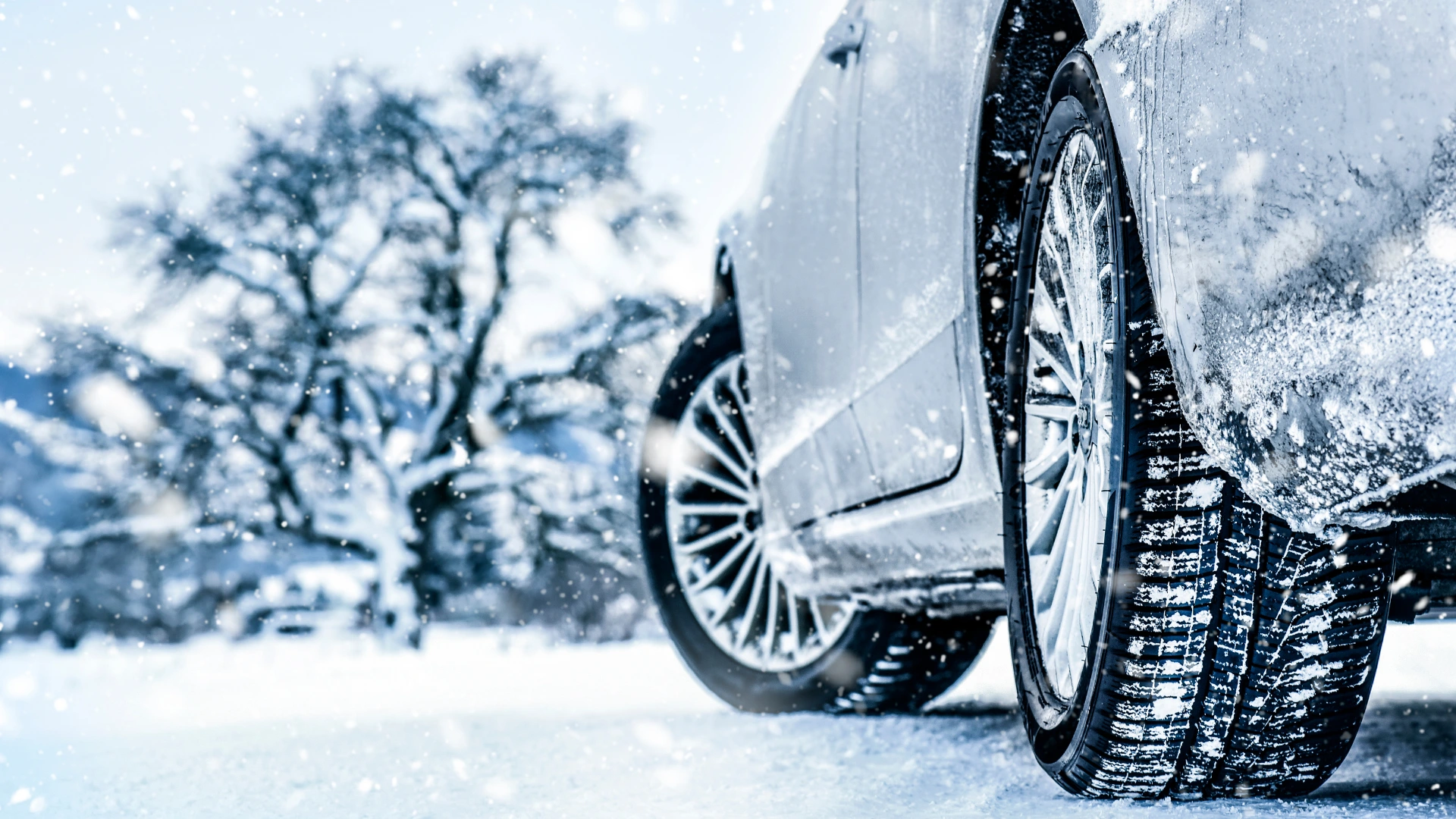
Toronto winters punish both finishes, but in different ways.
Road salt is the more aggressive threat to paint. Salt brine accelerates the breakdown of clear coat and seeps into stone chips, where it begins corroding the metal substrate. Local detailing experts have flagged that untreated salt exposure over several winters can cause thousands of dollars in cumulative paint and body damage.
Cold temperatures affect vinyl differently. Quality cast vinyl remains stable to roughly -30°C, but installation in sub-zero conditions is risky — adhesives need a warm, controlled environment to bond properly. Reputable Toronto installers wrap vehicles indoors year-round, but the post-install “cure” period requires keeping the vehicle out of extreme cold for 48–72 hours.
For winter protection specifically, the priority ranking most installers agree on is:
- PPF (Paint Protection Film) on high-impact areas (front bumper, hood leading edge, rocker panels, mirrors)
- Ceramic coating for hydrophobic protection and easier salt removal
- Full vinyl wrap for colour change + paint shielding
- Bare factory paint with diligent washing
A wrap is not a substitute for PPF in stone-chip zones — and any installer who claims otherwise is overselling.
When Paint Is the Right Choice
Despite vinyl’s advantages for most owners, paint wins in several scenarios:
- Classic and collector vehicles where original-style finishes affect value
- Permanent colour changes the owner is fully committed to for 10+ years
- Vehicles with damaged factory paint that won’t accept vinyl properly (rust, deep oxidation, prior poor bodywork)
- Single-panel collision repair on previously-painted vehicles where matching is straightforward
- Custom finishes like multi-stage candy, kandy pearl, or hand-laid effects that vinyl can’t replicate
The Toronto Car Wrap Perspective
Why Install Vinyl Wrap
We’ve installed wraps on everything from daily-driven Civics to fleet vehicles to high-end European sports cars across the GTA. The pattern we see most often: drivers come in expecting a wrap to be a cheaper paint job. They leave understanding it’s a different product entirely, one that protects the underlying asset, allows reversible personalization, and fits the 4-7 year turnaround time that most people actually own cars.
Car Wrap vs Paint: Which Is Better
Neither vinyl wrapping nor painting is universally “better.” The right choice depends on ownership timeline, budget tier, and what you’re trying to accomplish. For most GTA drivers keeping a vehicle 4–8 years who want a colour change, paint protection, or both, a quality vinyl wrap delivers more value per dollar. For long-term ownership of a vehicle with collector potential or a permanent commitment to a colour, paint remains the appropriate choice.
Schedule A Consultation
If you’re weighing the two for a specific vehicle, the most useful next step is a direct consultation with material samples and a written quote. Contact Toronto Car Wrap for an assessment of your vehicle, the finish options that suit it, and an honest comparison of what wrapping will and won’t do in Toronto’s climate.
Frequently Asked Questions
Is wrapping cheaper than painting a car?
At the budget end, not necessarily. But comparing like-for-like quality, a full vinyl wrap in Toronto ($2,800–$4,500) typically costs less than a quality two-stage paint job ($3,000–$5,500+). The gap widens significantly when you compare against show-quality paint, which can run $7,500 or more.
How long does a car wrap last in Toronto?
A properly installed cast vinyl wrap from 3M or Avery Dennison lasts 5–7 years in Toronto conditions. Garage-kept vehicles reach the upper end of that range. Daily drivers exposed to full sun, road salt, and winter cycles typically need replacement around year five, with horizontal panels like the hood and roof showing wear first.
Can you wrap a car with chipped or damaged paint?
Not always. Minor chips and light scratches are usually acceptable, but peeling, flaking, rust, or failing paint should be repaired first. Vinyl wrap adheres to the existing paint surface, so damaged paint can affect adhesion and may lift when the wrap is removed.
Does a vinyl wrap damage the car’s original paint?
Not if the original paint is in sound, factory condition when the wrap is applied. Vinyl actually shields the OEM finish from UV, stone chips, and minor abrasion. Damage can occur if the wrap is applied over already-failing paint, left on past its lifespan, or removed by an inexperienced installer using improper heat or solvents.
Can I wrap my car in winter in Toronto?
Installation happens indoors in a temperature-controlled environment year-round at reputable Toronto shops. The vehicle itself needs to be at room temperature before installation. After install, avoid extreme cold and car washes for 48–72 hours to allow the adhesive to fully bond. Winter installs are routine, not problematic.
How does a car wrap affect resale value?
Generally positive or neutral. A wrap preserves the original factory paint, which buyers value. Non-standard wrap colours can be removed before sale, returning the vehicle to its OEM appearance. By contrast, a colour-change paint job often reduces resale value because it raises questions about collision history and narrows the buyer pool to those who want that specific colour.
What’s the difference between PPF and vinyl wrap?
PPF (Paint Protection Film) is a clear urethane film designed to absorb stone chips and abrasion. Vinyl wrap is primarily a colour and finish change with secondary protective benefits. PPF costs roughly 2–3x more per square foot than vinyl. Many GTA drivers use both: PPF on high-impact zones, vinyl for colour change.
Will road salt damage my car wrap?
Yes, if neglected. Salt brine can stain vinyl, accelerate edge lifting, and degrade adhesive at panel seams. Regular winter washing prevents most issues. Avoid automatic car washes with abrasive brushes and never use high-pressure jets directly on wrap edges. Hand washing or touchless washes are recommended.
Can a damaged wrap panel be replaced individually?
Yes. A scratched or damaged panel can typically be re-wrapped for around $500 and completed in a few hours. The equivalent on a painted vehicle often means panel removal, prep, paint matching, and clear coat blending — a multi-day process costing several thousand dollars.
Car wrap vs paint protection film: which is better for my car in Toronto?
They serve different purposes. A vinyl wrap changes the vehicle’s colour or finish while providing moderate protection against UV exposure and minor abrasions. Paint Protection Film (PPF) is designed to protect factory paint from stone chips and road debris. Many Toronto drivers combine both by installing PPF on high-impact areas and a vinyl wrap for colour customization.