
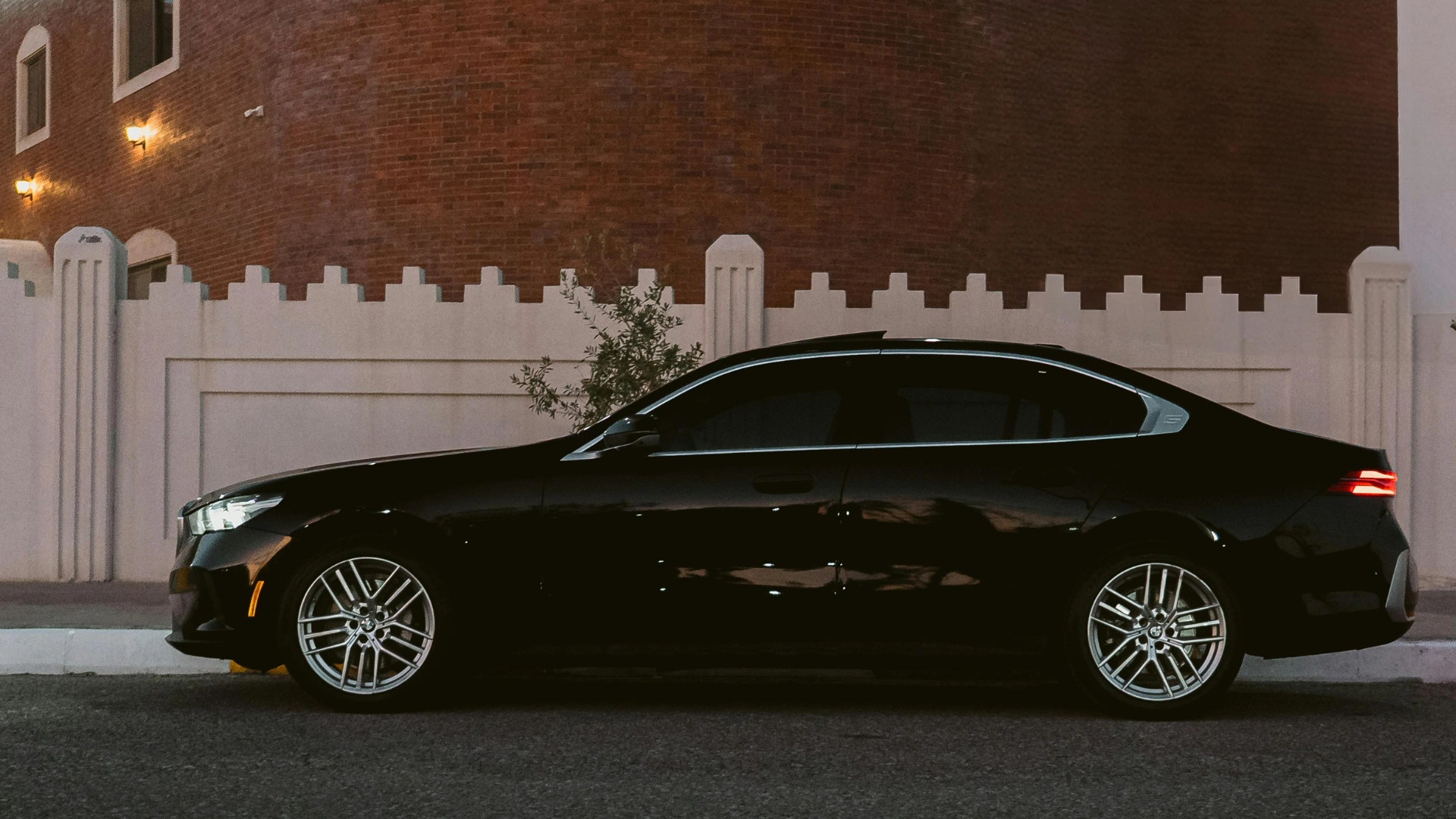
Car window tinting in Toronto involves selecting the right tint film, understanding Ontario’s legal limits, and evaluating cost based on vehicle type and material quality. Whether for personal vehicles or commercial fleets, window tinting provides heat reduction, UV protection, privacy, and improved driving comfort under Toronto’s varying climate conditions.
Properly tinted windows can dramatically reduce heat inside vehicles, shield valuable interiors, enhance privacy, and ensure compliance with Ontario’s strict tint laws. This 2026 guide covers everything you need to know about cost estimates and legal requirements, as well as choosing the best tint options for your personal car or commercial fleet in Toronto.
Benefits of Car Window Tinting in Toronto for Personal and Commercial Vehicles
Businesses across the GTA are investing in window tints for company cars, vans, and trucks. The reasons go beyond just aesthetics. It’s about protecting assets, improving driver comfort, and projecting a professional image.
Heat and UV Protection
Toronto summers can make vehicle interiors unbearably hot. Quality window tints block a large portion of the sun’s thermal energy, keeping cabins cooler. High-performance films also filter out up to 99% of harmful UV rays, protecting occupants from skin-damaging radiation and preventing the fading or cracking of your fleet’s upholstery and dashboard. By reducing heat and UV exposure, tints help preserve sensitive electronics and tools inside work vehicles, keeping onboard equipment safer from heat damage.
Privacy and Theft Deterrence
Tinted windows provide privacy by making it much harder for outsiders to see inside a vehicle. For commercial fleets carrying tools or merchandise, this added privacy doubles as a security upgrade. Would-be thieves are far less likely to target a work truck or van if they can’t spot any valuables through the window. Quality tint films can reinforce the glass, holding shattered pieces together if a break-in is attempted, which slows down entry and could thwart theft.
Driver Comfort and Safety
For employees who spend long hours on the road, tinted windows can make a world of difference. By cutting harsh sun glare, tint helps drivers see the road more clearly and reduces eye strain. Less glare means safer driving conditions, especially during sunrise, sunset, or winter when low-angle light can be blinding. There’s also the professional image benefit: a fleet of uniformly tinted vehicles with company branding simply looks sharp and polished. Tints give work trucks a sleek, modern look that can reinforce your brand’s quality in the eyes of clients.
Lower Fuel and Maintenance Costs
When tint dramatically reduces interior heat, it lessens the reliance on air conditioning during Toronto’s hot summer days. That improved climate efficiency pays off in fuel savings. Tints also reduce strain on the vehicle’s cooling system and engine, potentially extending component life. Over time, this could mean fewer maintenance issues and lower costs for repairs or replacements. Additionally, blocking UV rays prevents cracking or warping of interior plastics and fabrics.
Car Window Tinting Cost in Toronto
Car window tinting cost in Toronto varies based on vehicle size, number of windows, film type, and installation quality. Understanding these factors helps estimate realistic pricing for both personal vehicles and commercial fleets.
The answer depends on several factors, including the type of film, the size and type of vehicle, and how many windows you’re tinting. Below is an overview of price ranges and what influences the cost in 2026. Please note that these prices are guidelines based on generic factors; for a specific quote on your vehicle, contact Toronto Car Wrap directly.
Factors Affecting Tint Prices
Film Type: High-performance films cost more than basic dyed films, but they offer greater heat rejection and longevity.
Vehicle Size: Larger vehicles have more glass surface area and sometimes more complex window shapes, so they typically cost more to tint than a compact car.
Number of Windows: Tinting all side and rear windows will cost more than, say, just doing the front driver/passenger windows.
Labour & Quality: Professional installation by experienced tinters in a controlled, dust-free facility is worth the cost to avoid bubbles or peeling. Reputable shops might charge slightly more, but they often include warranties and ensure the job meets legal standards.
Cost by Vehicle Type
Standard Cars (Sedans, Compact Cars)
- $200–$350 → Entry-level / dyed film
- $350–$600 → Premium ceramic tint
SUVs & Pickup Trucks
- $300–$400 → Standard tint
- $400–$900 → Ceramic / premium films
Mid-Sized SUV Example
- $250–$400 → Standard film
- $400–$700 → Ceramic film
Front Windows Only (2 windows)
- $120–$180 → Standard film
- $180–$300 → Ceramic film
Cost by Film Type
Dyed Film (Entry-Level)
- Most affordable option
- Provides basic heat and glare reduction
Ceramic Film (Premium)
- Higher cost but superior performance
- Better heat rejection, UV protection, and durability
Specialty / Advanced Films
- Includes infrared or enhanced heat-blocking options
- Highest price point with maximum performance benefits
Factors That Affect Tint Pricing
- Film type (dyed vs ceramic vs specialty heat-blocking)
- Vehicle size and number of windows
- Shop pricing and installation quality
- Add-ons (infrared/UV blocking upgrades)
How to Reduce Tinting Costs?
- Bundle multiple vehicles for fleet discounts
- Ask about package pricing
- Always get a custom quote for accuracy
Ontario Window Tint Laws for Cars and Commercial Vehicles
Ontario window tint laws regulate how much visible light must pass through each vehicle window to ensure driver visibility and road safety. These rules apply to both personal vehicles and commercial fleets operating in Toronto and across Ontario.
Front Windows and Windshield
Ontario law requires high visibility on front windows and windshields, allowing only very light tint on front sides and a limited strip at the top of the windshield.
- Front driver and passenger windows must allow at least 70% of light
- This equals roughly 30% tint darkness (very light tint only)
- Dark or limo-style tints are illegal on front windows
- Windshield tint is not allowed across the main viewing area
- Only a top strip (up to 15 cm) is permitted on the windshield
- Rules ensure clear driver visibility and allow police to see inside the vehicle
Rear Windows and Other Regulations
Ontario allows much darker tint on rear windows with fewer restrictions, but visibility, reflectivity, and safety compliance still matter.
- Rear side and back windows have no strict darkness limit
- Very dark tints (even 5% VLT) are allowed if side mirrors are present
- SUVs and vans can legally use privacy glass on rear sections
- Around 20% tint is a common balance for privacy and nighttime visibility
- Mirrored or highly reflective tints are illegal
- Non-compliance can lead to fines (~$110) and potential insurance issues
Types of Window Tint Films and Best Options for Vehicles
Window tint films vary by material composition, heat rejection performance, durability, and signal interference. Understanding the differences between dyed, carbon, and ceramic films helps determine the most suitable option for your vehicle or fleet.
Comparing Tint Film Types (Dyed, Carbon, Ceramic)
Window tint films range from budget dyed options to premium ceramic solutions, with major differences in heat rejection, durability, and performance.
- Dyed film → Lowest cost, basic UV protection, limited heat blocking
- Dyed tint may fade over time and develop a purple hue
- Metalized film → Better heat rejection and added glass strength
- Metalized tint can interfere with GPS, radio, and mobile signals
- Carbon film → Strong heat reduction with no signal interference
- Carbon tint is durable, fade-resistant, and a solid mid-range option
- Ceramic film → Premium choice with maximum heat + ~99% UV blocking
- Ceramic offers no interference, long lifespan, and best overall performance but it does come at a higher cost.
Choosing the Right Tint Percentage (VLT)
“VLT” or Visible Light Transmission is the measure of how much light a tint film lets through. A lower percentage equals a darker window tint. Choosing the right tint percentage (VLT) means balancing legal limits, visibility, and privacy for safe, compliant driving.
- Front windows must be 70%+ VLT in Ontario to remain legal
- Common front options are 70–80% VLT, offering subtle tint with UV/glare reduction
- Rear windows allow any darkness, giving flexibility for privacy
- 20% VLT is a popular rear choice for strong privacy without full blackout
- 35% VLT is better for drivers needing improved night visibility
- Windshield tint is only allowed as a top strip (full tint is technically illegal)
- Extremely dark tints (like 5% limo) can reduce safety and attract police attention
A reputable tint provider like Toronto Car Wrap will guide you to a sensible tint level that achieves your goals while keeping your vehicle safe and street-legal.
Professional Window Tinting Services in Toronto
Professional window tinting requires controlled installation environments, high-quality films, and compliance with Ontario regulations. Choosing an experienced provider ensures proper adhesion, long-term durability, and legal compliance for both personal vehicles and commercial fleets.
Fleet Expertise & Convenience
Toronto Car Wrap specializes in serving commercial clients, from small businesses with a couple of vans to large corporate fleets with dozens of trucks. We offer the convenience of one-stop service. As a leading vehicle wrap company, we can apply window tints and vehicle graphics or paint protection in the same project, so your entire fleet is branded and protected in one go. This saves companies time and ensures consistent quality across all services, done in our secure, climate-controlled indoor facility.
Quality Films & Compliance
We use premium, high-performance tint films to ensure maximum durability and performance. All installations are done by experienced technicians using a precise, dust-free process to avoid bubbles or imperfections. Crucially, Toronto Car Wrap stays up-to-date on Ontario tint laws and guarantees that your fleet’s tints will fall within legal limits. This attention to regulatory compliance is a major plus for business owners who cannot afford legal problems with their vehicles.
Reputation and Warranty
Toronto Car Wrap has built a strong reputation in the GTA for prompt, reliable service and attention to detail. Our clientele includes both car enthusiasts and many local businesses. We also back their work with solid warranties. Tint installations come with a 3-year warranty against defects like bubbling, peeling, or discolouration. High-quality tints applied by our team are expected to last well beyond that without problems.
Competitive Pricing & Quotes
Understanding the budget constraints businesses face, Toronto Car Wrap offers competitive pricing whether you need one car tinted or an entire fleet. We encourage requesting a custom quote to get an exact price based on your vehicle type, number of windows, and film choice. Fleet customers can expect flexible scheduling and potentially discounted rates when tinting multiple vehicles together. The process is hassle-free. Drop off the vehicle at our Vaughan facility and our certified team takes care of the rest, usually returning a fully tinted car the same day.
Toronto Car Wrap combines technical expertise, top-tier materials, and a deep understanding of Ontario regulations to deliver tinting results that fleet owners and drivers can trust. Whether you’re looking to reduce heat in work vehicles, protect your company’s assets, or simply upgrade your personal car’s comfort and style, we offer a proven, professional solution in the Toronto area.
Contact Toronto Car Wrap to see how a small investment in tint can pay off big in comfort, savings, and security.
Frequently Asked Questions
Is car window tinting legal in Ontario?
Yes – as long as you follow Ontario’s rules. Front side windows must let at least 70% of light through (light tint only), and windshields can’t be tinted below the top strip. Back windows can be any darkness if you have side mirrors.
What is the darkest tint allowed on car windows in Ontario?
Ontario effectively caps front side windows at about a 30% tint (70% VLT visibility). The windshield can only have a 15 cm tinted sunstrip at the top. Rear side and back windows have no specific limit (you can use dark tint) provided the vehicle has dual side mirrors.
How much does window tinting cost in Toronto?
It varies with vehicle size and film type. For a standard car, expect around $200–$400 for a quality tint job (basic film). Larger vehicles or premium ceramic tints can run $400–$800+. Always get a personalized quote for accurate pricing.
What are the benefits of window tinting for vehicles?
Tinted windows keep the car cooler in summer by blocking heat, reduce harmful UV rays (protecting skin and interiors), cut down glare to improve driving visibility, add privacy, and even strengthen glass. For businesses, tints also help protect valuable equipment from heat and theft.
Does window tinting actually reduce heat inside the car?
Yes. High-quality tint can significantly reduce interior heat. Tests in real cars show cabin temperature drops – in one case, up to 20 °F cooler with tint. By rejecting a large portion of solar energy, tints make your vehicle much cooler and less reliant on AC.
Which type of window tint film is best for my car or fleet?
Ceramic tint is considered the best overall – it offers superior heat rejection, blocks UV rays, and doesn’t interfere with GPS/cell signals. It is more expensive, though. Carbon tint is a great mid-range choice (good heat reduction, no signal interference). Dyed tint is cheapest but mainly adds looks and basic UV reduction, with minimal heat blocking.
Can commercial or fleet vehicles be tinted legally?
Absolutely. Commercial vehicles must follow the same Ontario tint laws – keep front windows lightly tinted (~70% VLT) and avoid tinting the windshield (except the top strip). Rear windows can be tinted dark for privacy. Many Toronto businesses tint their fleets to reduce heat and glare for drivers while staying fully compliant with the law.
Is ceramic window tint worth the extra cost?
For many, yes. Ceramic films can block far more heat (and almost 99% of UV) than standard films, making a big difference in comfort if you drive often or have a work vehicle in the sun. They also last longer without fading. If your budget allows, ceramic tint provides the highest performance and long-term value, especially for drivers who demand the best heat rejection.
Is window tinting worth it in Toronto’s climate?
Yes, window tinting is worth it in Toronto’s climate. It reduces interior heat, blocks up to 99% of UV rays, cuts glare from sun and winter snow, and improves comfort and privacy year-round, making daily driving safer and more efficient.